By the Gay Mexico City crew · Locals since forever
Gay Mexico City travel at a glance
Mexico City is huge, high, loud and generous, and it never runs out of things to show you.
About 9.2 million people live in the city proper (INEGI, 2025), with millions more spilling into the metro area. At 2,240 meters up, the air is thinner, the sun is meaner and your second margarita lands like your fourth.
For a gay traveler, few cities in the Americas come close. The scene is big and unapologetic. The food is great at every price. The culture runs centuries deep. And the locals are genuinely curious about you.
This page exists because you kept asking. Every week, LGBTQ+ travelers from the US, Canada, the UK, Germany and everywhere else email and DM us the same questions: When should I go? Where do I stay? Is it safe? Which apps? Where are the gays? Which day trip is worth it? So we built this wiki and answered all of it, once, properly.
Read it top to bottom, or jump straight to what you need.
The basics
Language
Spanish. Hotels and tourist spots often speak some English, but never assume. A "hola" and a "gracias" open more doors than you'd think.
Money
Mexican pesos. Cards are spreading fast, but cash still runs markets, street food and small bars. Hoard small bills and coins, because nobody ever has change.
Altitude
2,240 m (7,350 ft). Drink water, go easy on the first night's mezcal, and wear sunscreen even when it's chilly.
Tipping
10–15% in restaurants, cafés and bars (check the bill first, some add it). Guides get 10–15% too, and hotel staff and parking attendants always appreciate a few coins.
Manners that make everything easier
Mexicans are polite, and the rules take five minutes to learn.
Do
- Greet everyone. "Buenos días," "buenas tardes" or "buenas noches" when you walk into a shop, a restaurant, even an elevator. Skipping it is the fastest way to come off rude.
- Shake hands with people you've just met. Friends kiss once on the cheek, and gays who know each other hug or kiss on the cheek as well.
- Say "con permiso" to squeeze past someone, and "perdón" if you bump into them.
- Ask for the check ("la cuenta, por favor"). Nobody will bring it unprompted, because rushing you out would be rude.
- Run on two clocks. A party at 9 means 10 or later. Tours, buses and appointments start on time.
- Keep it calm when things go sideways. A smile gets you help. Raising your voice gets you nothing.
Don't
- Photograph people without asking, especially Indigenous people in traditional dress.
- Drink in the street. It's technically illegal, and police can stop you.
- Wait for a direct "no." Mexicans rarely say it. "Ahorita" they say, which means "We'll see" or "I'll try".
How welcoming are locals?
Very. Ask for directions, a recommendation or help with a menu and you'll get it, usually with a conversation attached. In the bars and restaurants of Roma, Condesa, Polanco and Juárez, you'll be served in English without a blink. In the Centro, have a few phrases or a translation app ready.
And try the Spanish anyway. A "buenas noches" is a small way of saying you showed up for the place, not just the photos. People notice.
Traveling to Mexico City solo? Start here
Mexico City's scene is easy to walk into alone. Nobody here thinks twice about a guy at the bar by himself, and someone will probably talk to you before your drink arrives.
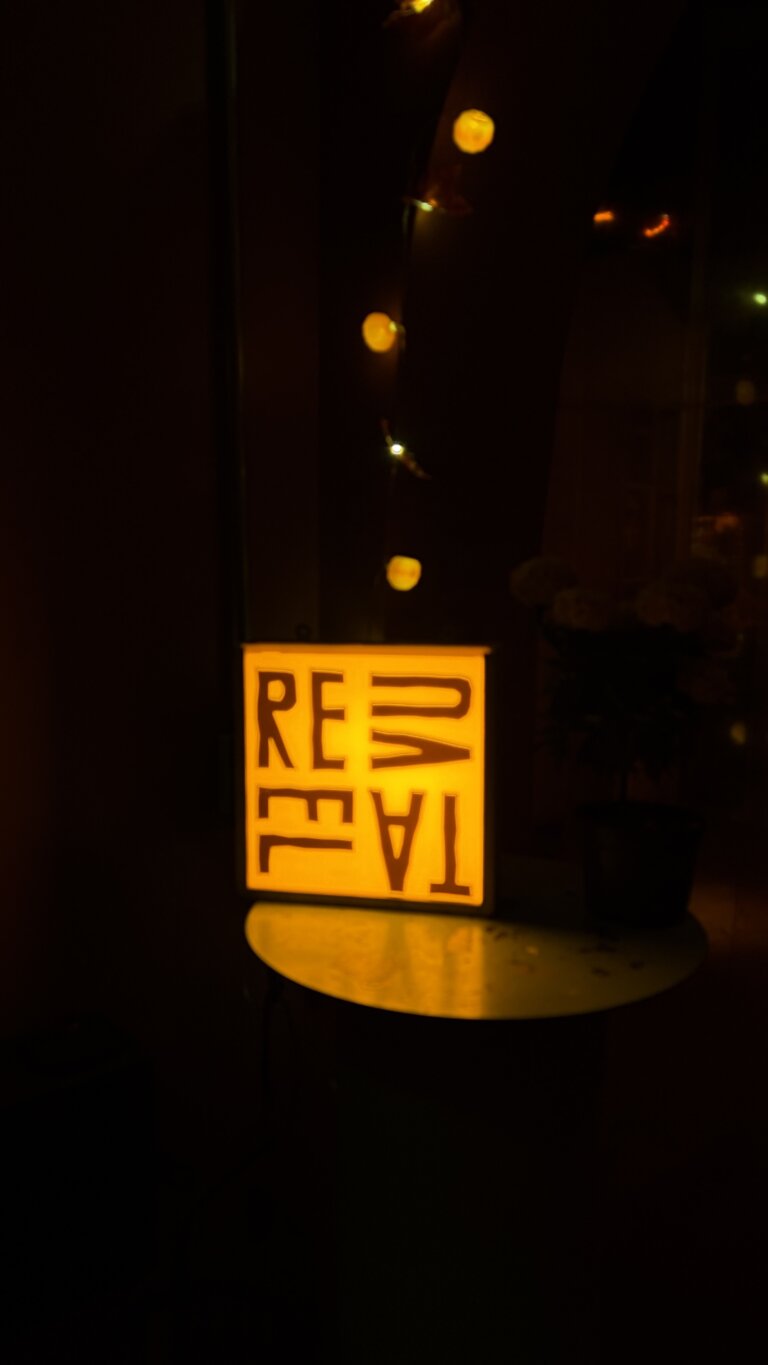
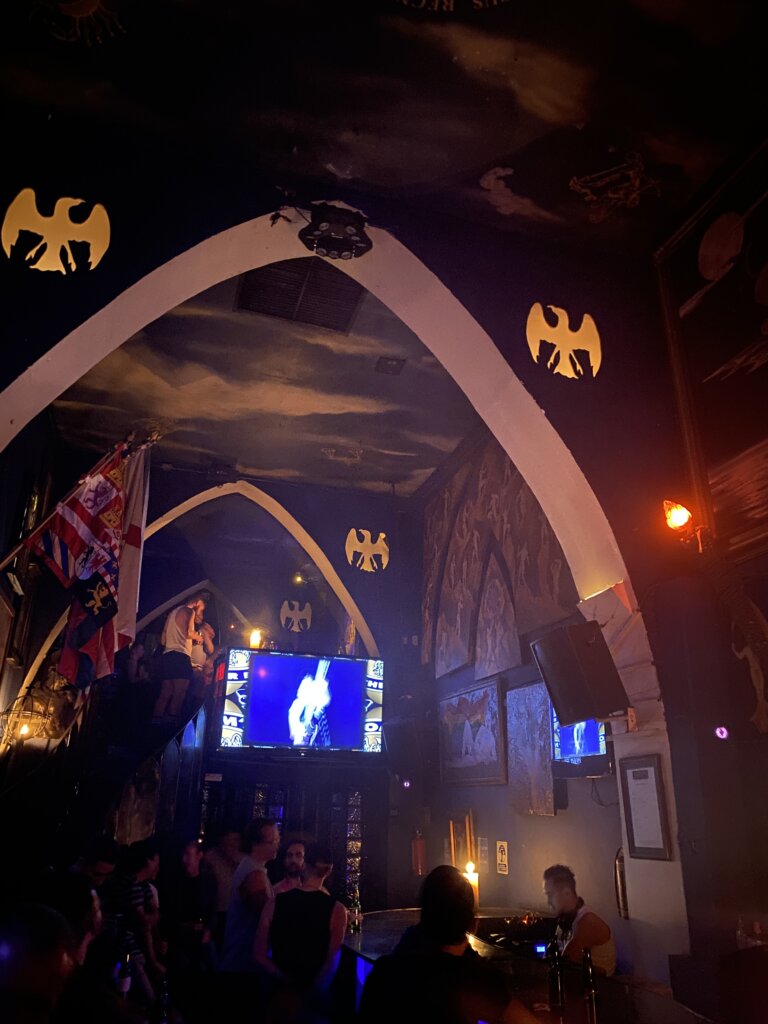
A rooftop bar with a queer gallery downstairs and a mixed, irreverent crowd up top. Arrive alone, leave with a group chat.
Mixed crowd, and one of our three non-negotiables. Tuesdays are the night.
Friendly, low-attitude, and built for showing up solo and getting absorbed into the crowd.
Go early. The good spots fill fast.
These are three. We have 270+.
The Gay Mexico City Guide maps every bar, dinner and dance floor locals actually go to, straight on your phone.
When to visit gay Mexico City
Short answer: any time.
At 2,240 meters, Mexico City never gets truly hot or truly cold. The real variables are rain, cold nights and what's happening in town.
Our three favorite windows
Spring, before the rains
March to early May
Warm, sunny days, cooler evenings, almost no rain, and the city at its most walkable. April and May run hottest, around 27 °C (81 °F) with spikes past 30 °C (86 °F), so pack a hat.
Day of the Dead
Late October to early November
The rainy season is wrapping up, October storms are short, and November turns dry and mild. Parades, altars and a whole city in party mode. Worth a drizzle.
Pride week
June
June opens the rainy season: hot days, an afternoon downpour, repeat. But it's the one week the whole city is out, and a little rain has never stopped a gay.
Month by month
Long-term averages, 1991–2020. Highlighted rows are our favorite windows.
| Month | High / low | Rain | What to expect |
|---|---|---|---|
| January | 22 / 7 °C · 72 / 45 °F | 10 mm · Dry, sunny days, cold nights | Dry, sunny days, cold nights |
| February | 24 / 8 °C · 75 / 46 °F | 5 mm · Dry and sunny, still cold at night | Dry and sunny, still cold at night |
| March | 26 / 10 °C · 79 / 50 °F | 10 mm · Warm and dry, perfect for walking | Warm and dry, perfect for walking |
| April | 27 / 12 °C · 81 / 54 °F | 25 mm · Warmest month, first showers late | Warmest month, first showers late |
| May | 27 / 13 °C · 81 / 55 °F | 55 mm · Hot, rain starts building | Hot, rain starts building |
| June | 25 / 14 °C · 77 / 57 °F | 110 mm · Rainy season begins · Pride | Rainy season begins, afternoon storms |
| July | 24 / 13 °C · 75 / 55 °F | 160 mm · Rainiest month, greenest city | Rainiest month, greenest city |
| August | 24 / 14 °C · 75 / 57 °F | 150 mm · Heavy afternoon rain | Heavy afternoon rain |
| September | 23 / 13 °C · 73 / 55 °F | 120 mm · Still rainy | Still rainy |
| October | 23 / 11 °C · 73 / 52 °F | 45 mm · Storms fade · Day of the Dead | Storms fade, cooler nights |
| November | 23 / 9 °C · 73 / 48 °F | 15 mm · Dry, mild days, chilly nights | Dry, mild days, chilly nights |
| December | 22 / 7 °C · 72 / 45 °F | 5 mm · Dry, sunny, cold nights | Dry, sunny, cold nights |
How the rainy season actually works
From June to early October, it rarely rains all day. The pattern: sunny morning, an hour or two of downpour in the afternoon or evening (sometimes with hail), then clear skies. Plan outdoor stuff for the morning and keep an umbrella in your bag. The upside: clean air and a city that turns jungle-green.
Cold nights and hazy air
From December to February, nights flirt with freezing, and most buildings have no heating. Bring real layers even when the afternoon feels like summer. December to April can also get hazy with smog, so check air quality if you're sensitive. The sun is strong all year.
Pack this
- Layers: warm days, cool nights
- A light jacket, and a proper coat from December to February
- Sunscreen, hat and sunglasses, even on gray days
- A compact umbrella or rain jacket from May to October
- Shoes that can handle cobblestones and 20,000 steps
The big four: when the city peaks
Mexico City never really stops, but four moments a year make locals clear their calendars. Build your trip around one. Or come back for all four.
1. February: Art Week
For one week, the whole city becomes an art fair. Zona Maco, Latin America's biggest contemporary art fair, anchors it (2027 dates announced: February 3–7 at Centro Banamex). Around it orbit satellite fairs like Material and Salón ACME, plus dozens of galleries and independent spaces. In 2026, more than 65 joined in.
Why the gays love it: you don't need a fair ticket. The Roma–Condesa gallery corridor opens to everyone, so you can hop from opening to opening with a coffee in hand. At night, the parties are the most eclectic of the year: artists, collectors, designers, fashion people and the entire queer scene on one dance floor.
2026 tickets ran 475–550 MXN a day or 1,600–1,900 MXN for four days; 2027 is announced slightly higher. Preview days are the busiest. Roma, Condesa, Juárez and Polanco sell out, so book your bed early.
2. June: Pride Week
The biggest week of the year for the community. The march is the last Saturday of June, and the days around it are wall-to-wall parties. Our full playbook is in the Pride section below. One tip here: decide early, because hotels and party tickets won't wait for you.
3. Late October–early November: Halloween meets Day of the Dead
For about a week, two celebrations collide. Halloween fills the gay bars and clubs with themed parties and costumes ranging from spooky to full production. Day of the Dead brings parades, altars, candlelit cemeteries and a city drowning in marigolds. Do both: ofrendas by day, costumes by night. Details in the Day of the Dead section. Book months ahead.
4. December: Christmas and New Year's Eve
The Zócalo lights up, free ice rinks pop up around town and Christmas markets fill the streets. For gay travelers, though, the main event is New Year's. Circuit parties take over for days, with international DJs and huge crowds. In past years, Sunland New Year ran roughly December 28 to January 1, with the venue revealed after you buy. Pervert's NYE lands on the 31st. And there's a free street party at the Ángel de la Independencia.
Tickets sell out and prices climb, so buy early. Heads up: on December 24 and 25 much of the city shuts down for family time, so book those dinners in advance.
Dates and parties for this year: see our events calendar.
Getting to Mexico City: flights and airports
Flying in from the US, Canada, the UK or Germany
US & Canada
Nonstops from most big hubs. Roughly 2.5 hours from Houston or Dallas, 4 from Los Angeles or Chicago, 5 from New York, Toronto or Montreal, and about 5.5 from Vancouver.
UK & Germany
Around 11–12 hours nonstop from London Heathrow or Frankfurt. From elsewhere in Europe, connect through Madrid, Frankfurt, Amsterdam, Paris or a US hub.
Passport holders from the US, Canada, the UK and the EU don't need a visa for a tourist trip. The immigration officer decides how many days you get (up to 180), so have your return flight and first hotel handy. Mexico City stays on UTC−6 all year with no daylight saving, so the time gap to home shifts when your clocks change. Rules move, so check your government's travel advice before you fly.
AICM vs. AIFA
Mexico City has two commercial airports, and they're nowhere near each other. Check your ticket before you plan your ride. If you're flying in from abroad, it's almost certainly AICM.
AICM
Benito Juárez · inside the city, east of the Centro
- Best for: international and domestic; the main hub for the US, Canada, Europe and Latin America
- Airlines: Aeroméxico, Volaris, Viva, plus a long list of foreign carriers
- Terminals: T1 and T2, linked by the free Aerotrén
- To Roma: Metro, Metrobús, authorized taxi or ride-hailing
AIFA
Felipe Ángeles · Zumpango, State of Mexico, far north
- Best for: mostly domestic, plus a few Latin America and Caribbean routes
- Airlines: Aeroméxico, Mexicana, Viva, Volaris, Aerus, Arajet, Conviasa
- Terminals: one
- To Roma: train to Buenavista, then a short ride
Airlines switch terminals and airports. Confirm yours a few days before you fly.
AICM: the main hub
You can't walk between Terminal 1 and Terminal 2, so the Aerotrén connects them. Leave extra time if you're connecting. Getting to Roma or Condesa, cheapest to easiest:
Metro (5 MXN). Terminal Aérea station, Line 5, a walk from T1. Dirt cheap, but few elevators and packed at rush hour. Skip it with big luggage.
Metrobús Line 4 (30 MXN). Runs from both terminals toward the Centro with the city's MI card (sold at the airport station). Doesn't stop in Roma, so expect a transfer.
Uber or DiDi (about 250–450 MXN). Use the official pickup zone. Never go with someone offering a "taxi" in arrivals.
Authorized taxi (about 400–500 MXN). Prepay at the official counter in arrivals, then show your ticket in the authorized queue.
About 30 minutes with no traffic. Up to 90 at rush hour.
AIFA: the new one, now with a train
Only worth it if your airline sends you there. The game changer is the Tren Felipe Ángeles (aka the Suburbano to AIFA), open since April 26, 2026, running between AIFA and Buenavista station.
It runs roughly 5 am to midnight (Sundays start later), with distance-based fares since October 2026. Pay with the MI card. From Buenavista, Roma is a short Uber away, and the station connects to Metro and Metrobús. Door to door, it's longer than a cab from AICM, so pad your time on the way back.
Getting around Mexico City
The city is enormous, so you'll mix and match. The good news: one card covers most public transport, bikes rule the central neighborhoods, and Uber fills the gaps after dark.
Step one: get the MI card
The Tarjeta de Movilidad Integrada is your single pass for the Metro, Metrobús, Cablebús, Tren Ligero, Trolebús, RTP buses, Ecobici and the Tren Interurbano. The card costs 15 MXN and holds up to 500 MXN.
Buy it at a Metro ticket window (usually cash only) or a machine in Metrobús, Cablebús or Tren Ligero stations. Machines give no change. Never buy one from someone on the street.
The Metro and Metrobús also take contactless bank cards and NFC phones. The MI card matters most for everything else and for longer stays. Metro transfers are free, and Metrobús transfers are free within two hours in the same direction.
| Option | Fare (MXN) | Best for |
|---|---|---|
| Metro | 5 | Crossing the city fast. Avoid 7:30–9:30 am and 5:30–8 pm with luggage |
| Metrobús | 6 (airport: 30) | Big avenues like Insurgentes and Reforma |
| Cablebús | 7 | Views over the city (see What to do) |
| Tren Ligero | 3 | Getting to Xochimilco |
| Ecobici | from 134/day | Short hops around Roma, Juárez and nearby |
| Uber / DiDi | Varies | Late nights and anything with bags |
Ecobici: the local's move
The public bike system is the best way to bounce between Roma Norte, Roma Sur, Juárez, San Rafael and San Miguel Chapultepec. It runs about 5 am to 12:30 am.
- Rides cap at 45 minutes before extra charges.
- Sign up in the Ecobici app, with a photo of your passport or ID and a Visa or Mastercard.
- Unlock: scan the QR on the handlebars, enter the number on the rear wheel, or tap a linked MI card.
- Return: push it firmly into a free dock and wait for the green light and the beep.
- Ride smart: wear a helmet, stick to bike lanes on avenues like Reforma, and stay out of bus blind spots.
Uber and DiDi
Both work citywide and are the easy call at night. Meet the driver at the pickup point and check the plate before you get in. Prices surge at peak hours and the second it rains. Never accept a ride from someone offering one at a station or in arrivals.
Trains out of the center
The Tren Interurbano (El Insurgente) runs from Observatorio (Metro Line 1) to Vasco de Quiroga (15 MXN) and Santa Fe (25 MXN). Tap in and out with the MI card or a QR ticket. The Tren Suburbano leaves Buenavista heading north and doubles as the train to AIFA.
Where to stay in Mexico City as a gay traveler
In a city this big, your neighborhood matters more than your thread count. The right base saves you hours a day. Our picks lean value over luxury: good, beautiful, fairly priced.
Our top three neighborhoods
The most strategic spot in the city: steps from Reforma, close to the Centro without being in it.
Nearly all of Juárez's perks, with more quiet and discretion.
Gorgeous, walkable at any hour, and a stroll from Tom's Leather Bar. The catch is price. If that's not your problem, it's a great one.
It's chaotic. Visit it, don't sleep in it.
What to book
| Type | Our pick | Why |
|---|---|---|
| Good-value chain | HotelesMX.com | Well-placed hotels all over the city, plus hostels |
| Good-value hotel | Hotel El Ejecutivo | Pretty, affordable, in our favorite neighborhood (Juárez) |
| Luxury | Four Seasons or Sofitel | On Reforma, where the big names cluster |
| Gay favorite on a budget | Ibis Styles Zona Rosa | Affordable, good value, right by the scene |
| Hostel (dorms) | Casa Mazonce | Book it for a dorm bed, not a private room |
| Trendy hostel | Hotel Apapacho | The traveler hostel of the moment |
Airbnb works well too, especially in the three neighborhoods above. Condesa leans boutique if you want a hotel with personality.
For Pride weekend, book the moment you have dates. Roma, Condesa and the Centro go first.
Full neighborhood breakdown: our blog post on the areas of Mexico City.
What to do in Mexico City (and what to skip)
Mexico City has more must-sees than any trip can hold, and every list recycles the same ten. Here are seven plans that actually work, with the timing that makes them work.
1. La Lagunilla on a Sunday
Every Sunday, the streets around La Lagunilla explode into a massive tianguis: antiques, vintage clothes, furniture, records, collectibles and a glorious amount of beautiful junk. Go early. Stalls open around 9, the best pieces vanish first, and vendors start packing by mid-afternoon. Ask the price before you fall in love, and haggle with a smile.
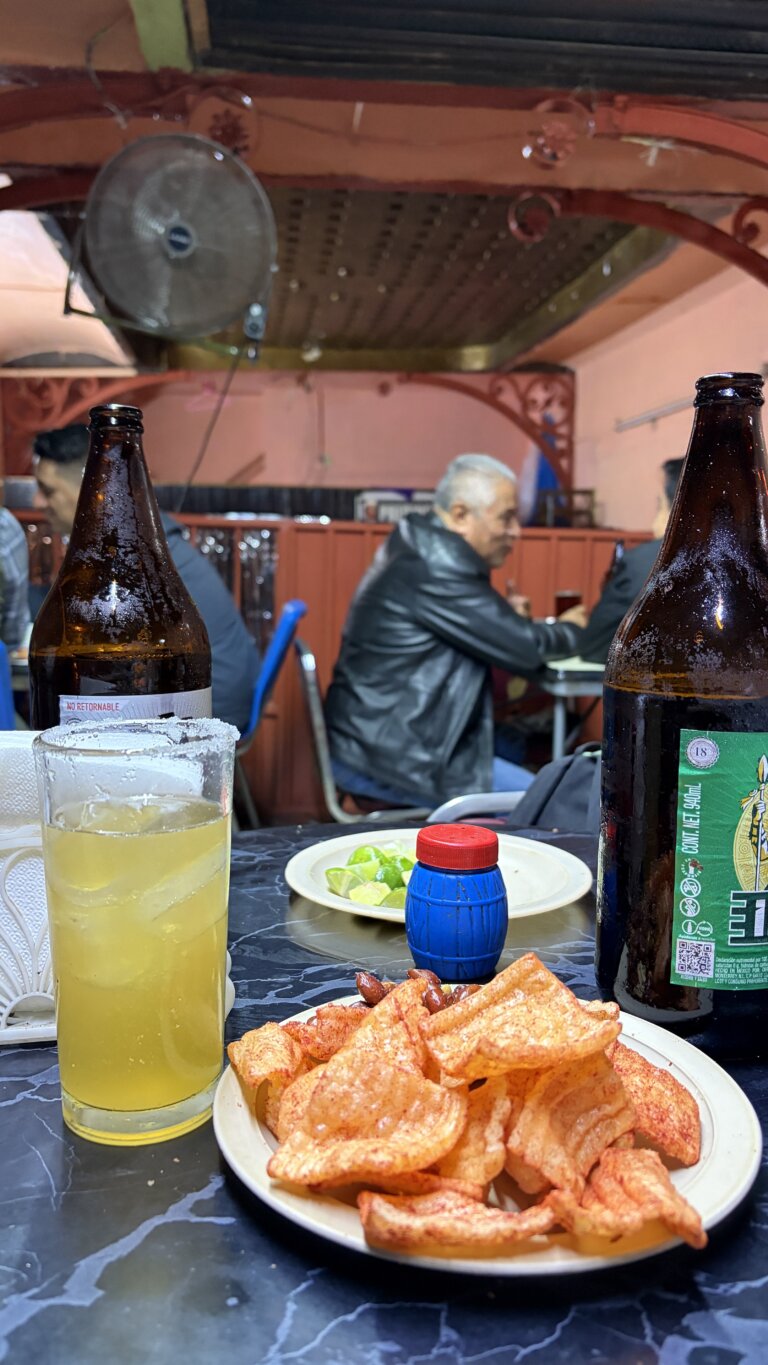
For lunch, walk to Mercado San Camilito for tacos, seafood and grilled meat, or stay in the thick of it: tapas and sangría at La Tappería de Comonfort, or a liter-sized michelada from any stall, done the local way.
2. Cineteca Nacional + Coyoacán
The Cineteca Nacional in Xoco is a film lover's dream and one of the best cheap afternoons in town. Even without a movie, the café, terrace, bookstore and gardens make it a calm escape. Check the schedule online; it closes on a few dates around Christmas. Pair it with Coyoacán's plazas, a coffee and a wander through the market streets.
3. Cablebús Line 3 over Chapultepec
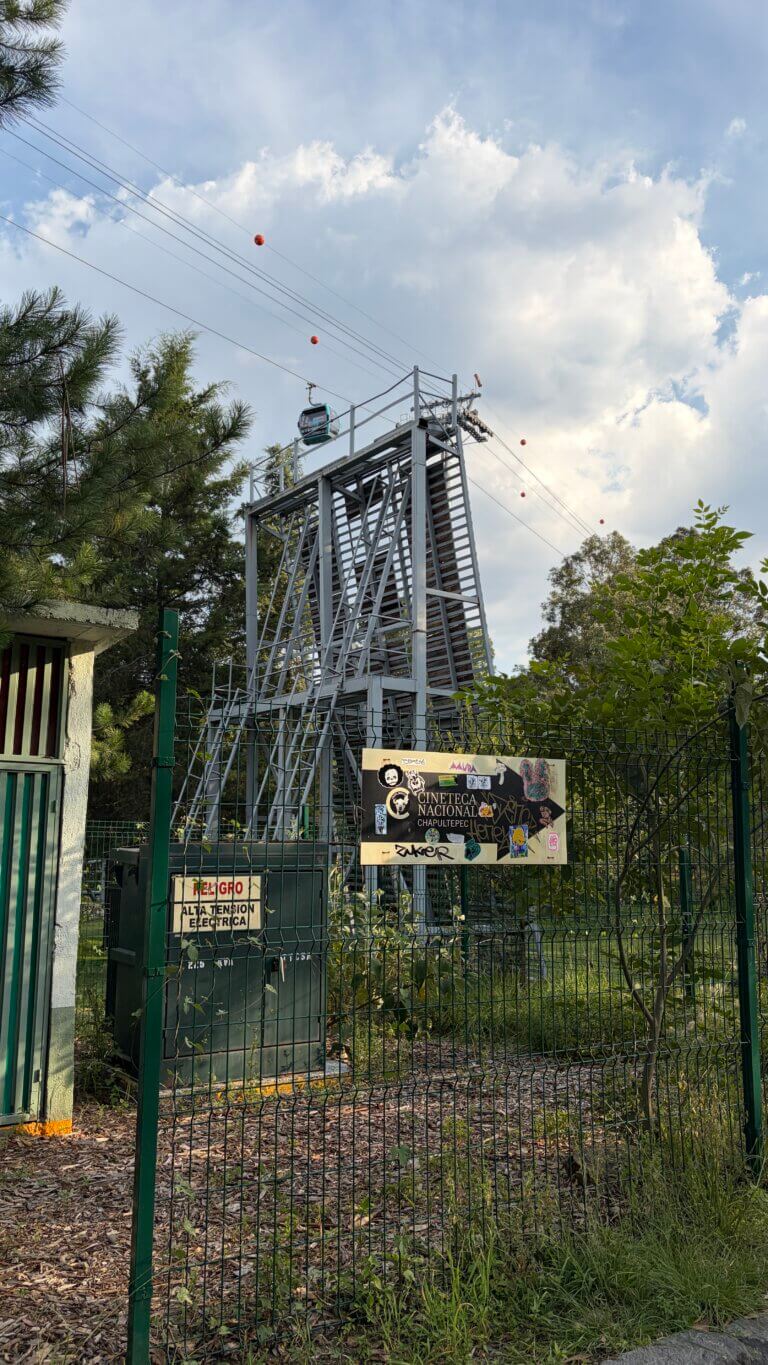
Most visitors skip it. Big mistake. Board at Vasco de Quiroga and glide over the Chapultepec forest toward Los Pinos/Constituyentes, the former presidential residence turned cultural complex, passing the new Cineteca Chapultepec, the Bodega Nacional de Arte and the Lienzo Charro.
4. The Roma–Condesa corridor, on foot
The walk to do with zero plan. Follow the tree-lined median of Avenida Álvaro Obregón toward Parque España: sculptures, benches, and a café, bar or shop every few steps. Browse the indie stores, grab a terrace drink when the light turns gold, and finish with ice cream at Nevería Roxy on Tamaulipas.
5. Circuito Amsterdam + Parque México
Amsterdam traces the oval of an old racetrack: shaded, car-free path, made for walking. Cut into Parque México for the fountains, the open-air theater and the most photogenic dogs in the city. Weekday mornings are calm and local. Weekend afternoons are a social scene. Come hungry.
6. Casa Azul + Anahuacalli
Frida Kahlo's childhood home in Coyoacán (Londres 247) is the one museum you can't improvise. Tickets are online only, on the official site, and they sell out. Your ticket also gets you into the Anahuacalli, Diego Rivera's volcanic-stone temple to his pre-Hispanic collection. Do both the same day for the full picture. No flash, no hats, big bags to the coat check.
7. Chapultepec morning, very good afternoon
Start early in Bosque de Chapultepec, when it's cool and quiet. Breakfast at Odette or Café Tormenta, then hit the Museo de Arte Moderno (home of Frida's The Two Fridas) and the Museo Tamayo (Picasso, Moore, Wifredo Lam in a concrete landmark), side by side near Reforma.
Then spend the afternoon at Sodome Bath House, a few blocks away. You've earned it.
What's overrated
- The Teotihuacán tour, if you're not into ruins. It's a long, sun-blasted day. Only worth it if archaeology genuinely thrills you (see Ruins).
- Wandering the Centro with no plan. It's huge and crowded, and it's easy to spend a whole day there and remember nothing.
- Never leaving Roma and Condesa. They're lovely. They're also a tiny slice of the city, and half the fun is getting out.
Food & drink: where a guide pays for itself
This city has thousands of places to eat and drink, and the ones Google shows you first are the ones that paid for your attention. Rankings run on tourist reviews. AI answers recycle the same ten names because that's what the internet keeps repeating. You could burn a week and a lot of pesos testing your way to the spots a local would just tell you about.
Or you could ask the local.
Swipe for more →
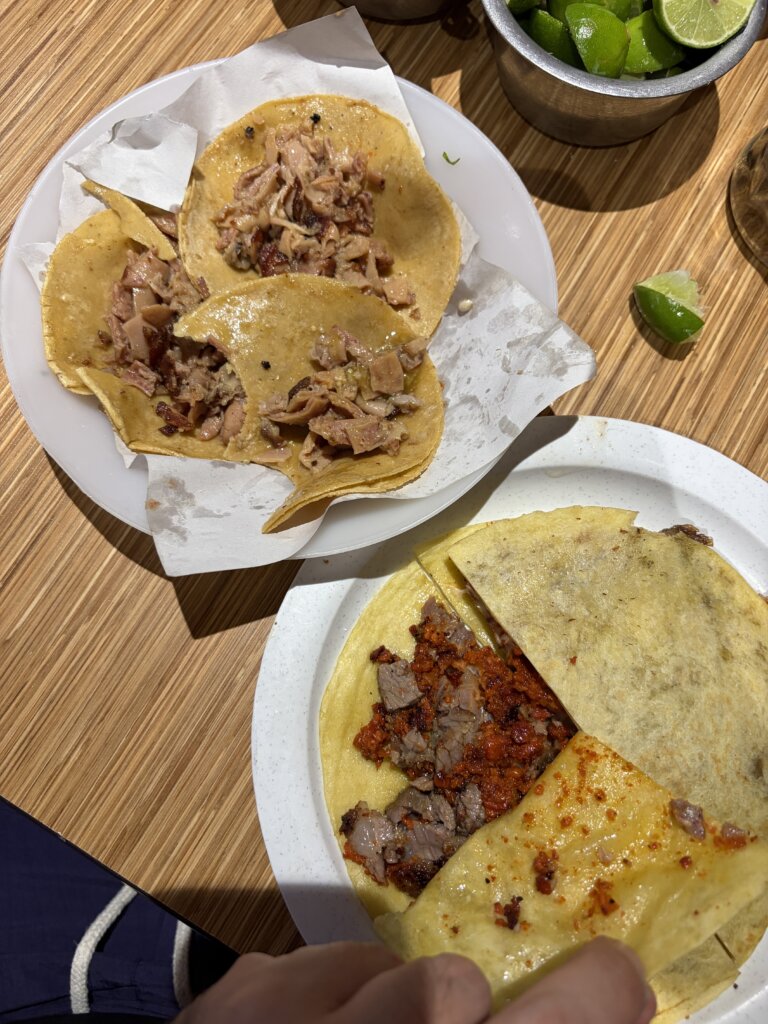
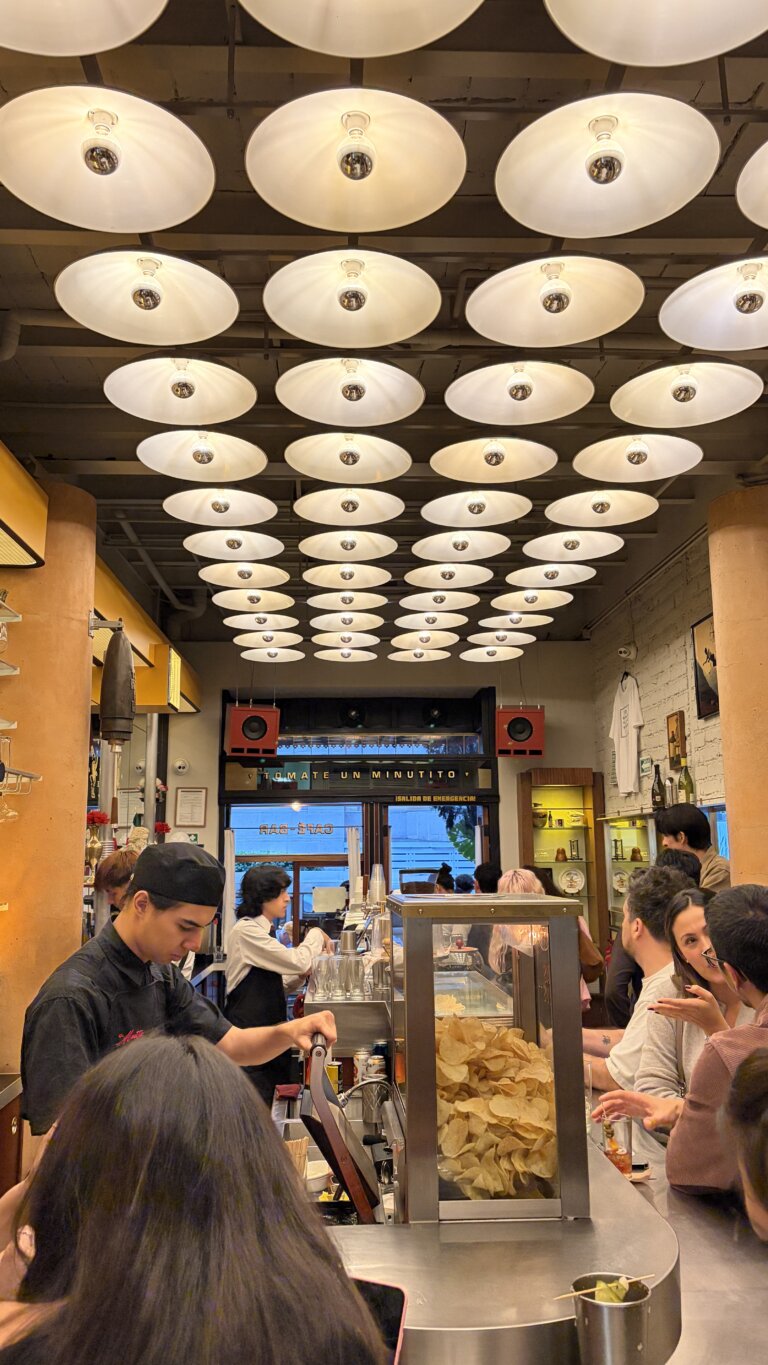
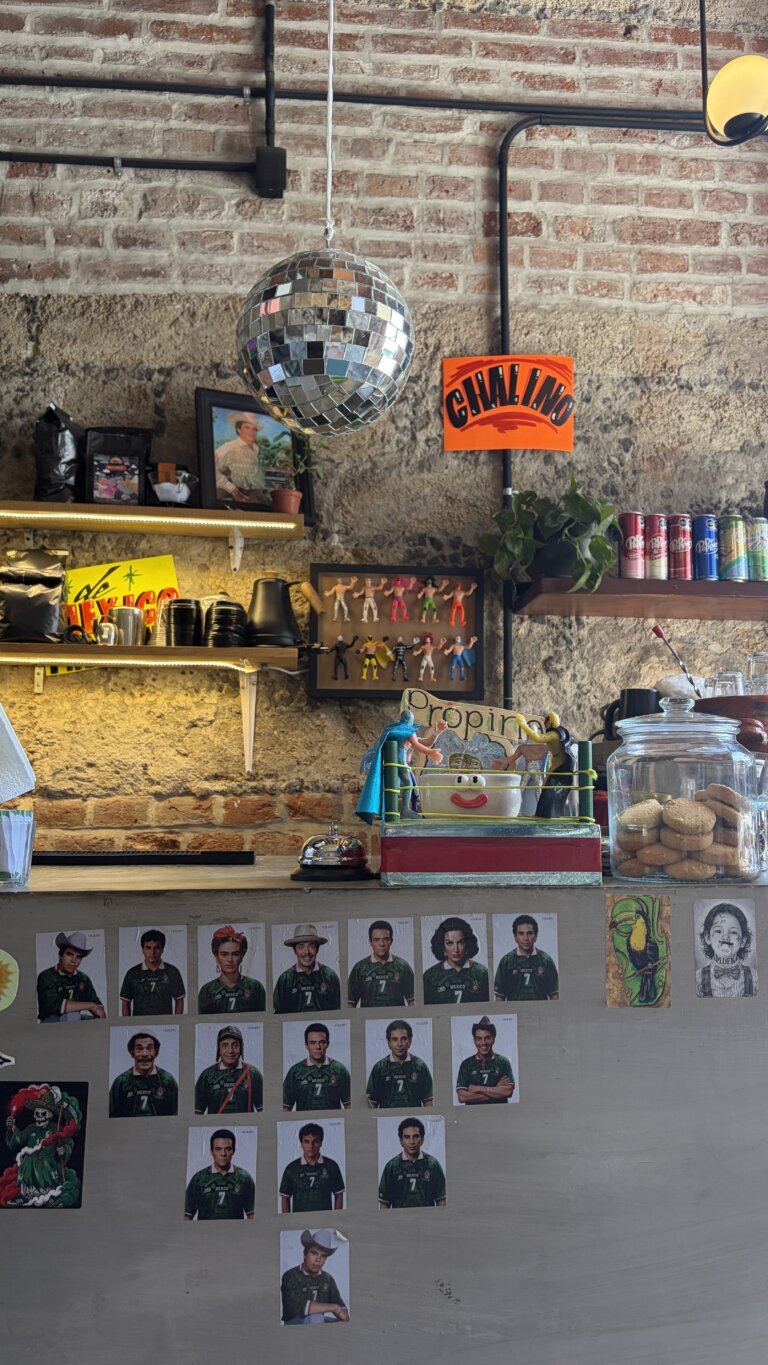
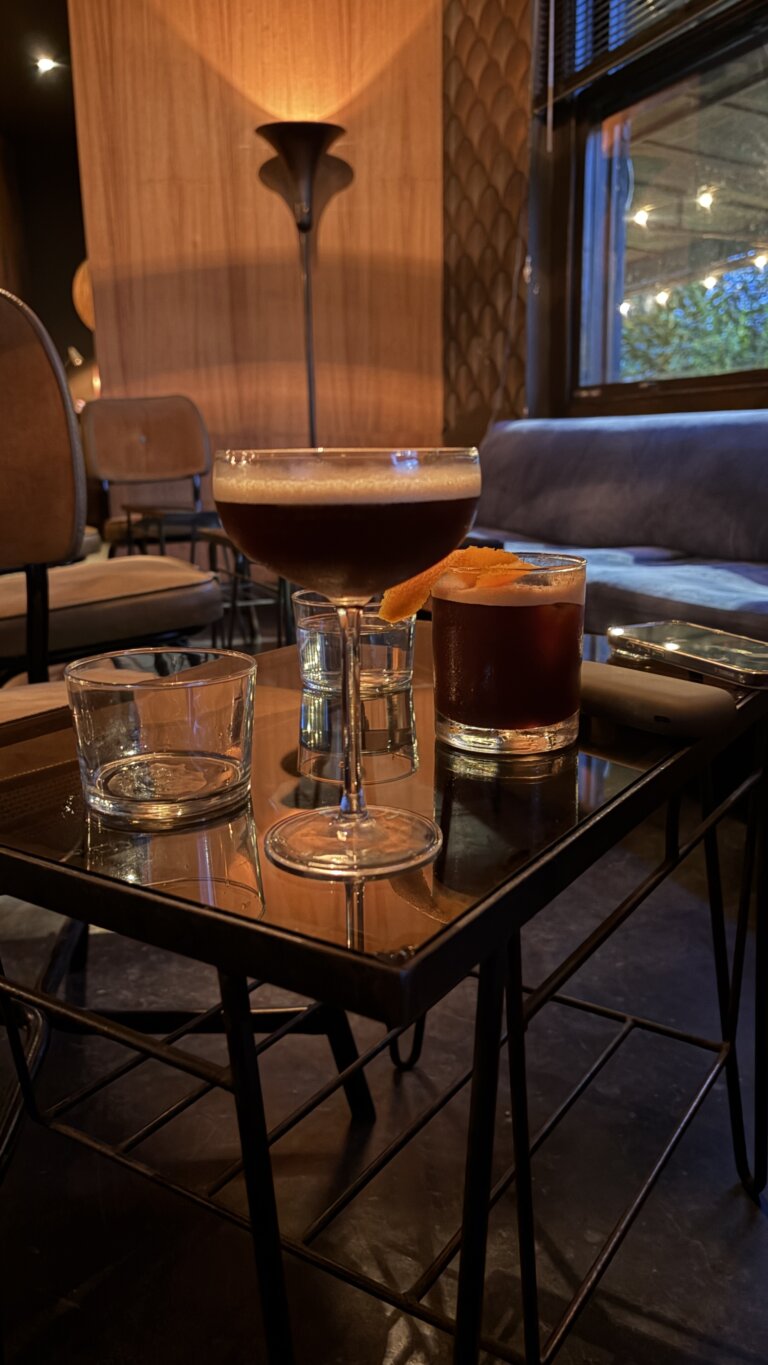
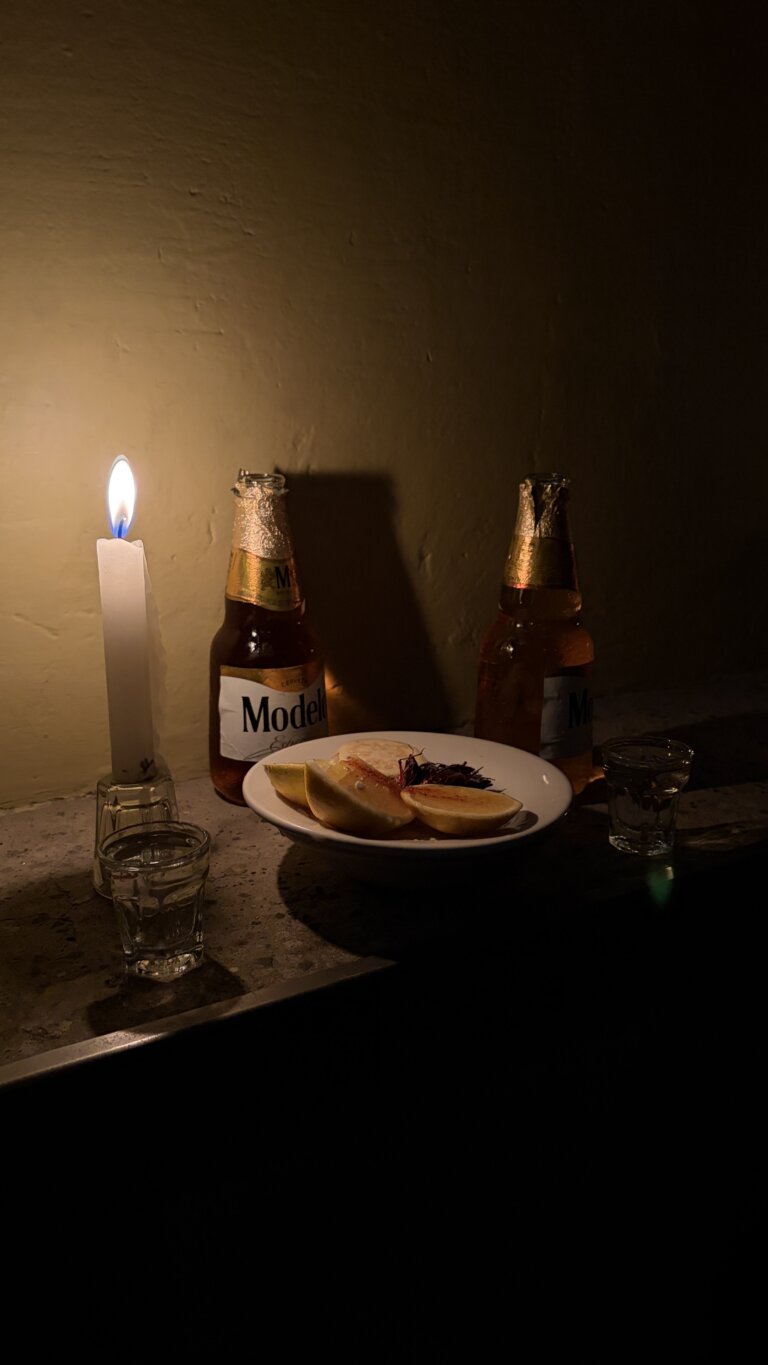
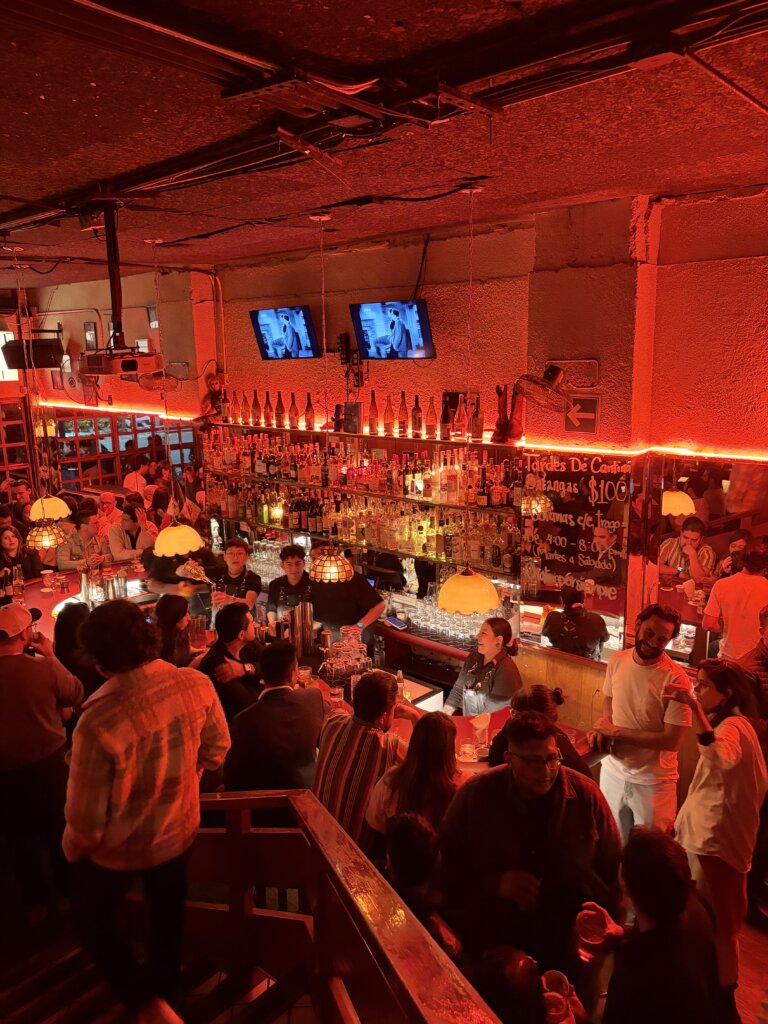
The information is out there. Most of it is outdated and written by people who don't live in Mexico City. We do. We keep checking what's new, what changed, what closed and what's no longer worth your night.
Your gay best friend in Mexico City, in your pocket.
The Gay Mexico City Guide is 270+ places we actually send our friends to, organized into 13 Google Maps lists built and updated by people who live here. Where to eat, drink, dance and meet people, including the places nobody posts about.
It lives on your phone. So when you're standing on a corner wondering "where do we eat around here?", the answer is one tap away, and it's never random.
- ✓270+ places, from tacos to dance floors
- ✓13 Google Maps lists, organized by type of experience
- ✓Zero sponsored spots, always updated
- ✓Get it before you fly, and your best meals stop being luck
From US$14.90 · Sliding scale · Full refund, no questions asked
Ruins: Templo Mayor and Teotihuacán
Mexico City is built on top of Tenochtitlan, the Aztec capital, and the ruins are closer than you think. Do the first even if ruins aren't your thing. Do the second only if you plan it right.
Templo Mayor: the easy win
The main temple of the Aztec capital, plus a museum holding everything found there, a short walk from the Zócalo. One ticket covers both: 210 MXN for foreigners, Tuesday to Sunday, 9 am–5 pm. (Free Sundays are for Mexican citizens only.)
Be there at 9. By noon it's elbows. Early, you get the Coyolxauhqui stone, the temple model and the offerings to yourself. Budget 2–3 hours, then pair it with the Catedral Metropolitana and Palacio Nacional next door.
Do
- Grab a guide if you want context. The ruins make far more sense with someone explaining them.
- Ask at the ticket desk about the free archaeological window under the Cathedral's Sagrario (guided entry only).
Don't
- Bring food, pets or a pro camera.
- Go on a Monday. Closed.
- Try to "see the Centro" the same day with no plan. Templo Mayor first, then decide.
Teotihuacán: the big day out
One of the largest ancient cities in the Americas: the Pyramid of the Sun, the Pyramid of the Moon and the 2 km Calzada de los Muertos between them. It's hot, open and shadeless. If you love archaeology, it's unforgettable. If you don't, it's a long day in the sun, which is why we told you to skip it.
The basics
- Hours: daily 8 am–5 pm, last entry around 4:30. Go early anyway.
- Price: 210 MXN for foreigners; 105 for Mexicans and residents with ID (free for them on Sundays). Pay at the gates or on the official INAH site.
- Time needed: 3–4 hours, up to 5 with the museum.
- Gates: Gate 1 for La Ciudadela, Gate 2 for the Pyramid of the Sun, Gate 3 for the Pyramid of the Moon.
- Getting there: the cheap way is a bus from Terminal Norte (Metro Autobuses del Norte, Line 5), about 1 hour to 1:15. Buy at the official counter and travel by day. By car or Uber it's about 45 minutes. A Zócalo tour with entry and guide is the zero-effort option.
Teotihuacán do's and don'ts
Do
- Arrive before 9. The lines and the heat both get brutal after noon.
- Bring a hat, sunscreen, lots of water and real shoes. The Calzada has no restrooms along its 2 km, so use the ones at the entrance or near the Pyramid of the Moon.
- Walk from La Ciudadela toward the Moon, stopping at the Temple of the Feathered Serpent and the Palace of Quetzalpapalótl.
- Hire a guide. Visitors rave about them.
- Check on the day whether climbing is allowed. The rules change.
Don't
- Bring backpacks, speakers, drones, alcohol, tripods or coolers. Security is stricter than it used to be.
- Count on climbing the pyramids. Access is often restricted, sometimes to the first level only.
- Run, jump or sit on the monuments.
- Show up after 3 pm. You'll barely see anything.
- Go on a holiday weekend, and expect crowds on Sundays.
Day trips and weekend escapes from Mexico City
The best way to understand Mexico is to leave Mexico City for a couple of days. Three favorites: one for beer and wine, one for food and history, one for doing absolutely nothing by a lake.
Querétaro: beer, wine and a postcard old town
A UNESCO-listed center, a food scene that's grown up fast and wine country next door. Give it a full weekend.
See the full plan
Getting there: ETN or Primera Plus from Terminal Norte (Metro Autobuses del Norte, Line 5), every 30–60 minutes, about 3 hours, roughly 200–500 MXN. By car, 2–2.5 hours on the Highway 57 toll road. Leave before 8 am.
Where to stay: Hotel Hércules, a 40-room hotel inside an old textile factory: brick walls, courtyard, spa, pool, ten minutes' walk from the center. Cervecería Hércules is in the same complex, so your first stop is downstairs: communal tables, live music, a Czech-style pilsner. Plan to lose the afternoon there. Want to sleep in the Centro? Casona de la República (adults only, spa, roof terrace) or El Serafín (colonial, walkable to everything).
What to do
- Walk the Centro: Plaza de Armas, Jardín Zenea, the callejones and the 74-arch Acueducto.
- Cross to Barrio de la Cruz, the oldest neighborhood, for the Convento de la Santa Cruz and the bars around it. This is where Querétaro nights start and end.
- Dinner at Hacienda La Laborcilla in Colonia Álamos. Book ahead.
- Spend a day in wine country. Puerta de Lobo is the easiest: reserve a table and ask about guided visits. For La Redonda or Freixenet (Sala Vivé, Ezequiel Montes, about an hour out), book a tour or a driver, and check the stops, since the popular wine-and-cheese route mostly hits Tequisquiapan and Bernal.
Puebla: the easy big one
A straight shot. UNESCO center, some of the best food in the country, and Cholula next door. One day works. One night is better.
See the full plan
Getting there: ADO or ETN from TAPO (Metro San Lázaro, Line 1) to CAPU, about 2–2.5 hours, roughly 180–320 MXN, every 15–20 minutes. Uber into the center from there. By car, 1.5–2 hours; leave before 7 am or after 10.
- Morning
The Zócalo and Cathedral, then the gold-drenched Capilla del Rosario in Santo Domingo. Browse the Barrio del Artista.
- Midday
Mole poblano or a cemita, then Mercado El Parián for talavera and sweets. Chiles en nogada are only in season from late July to early September.
- Afternoon
Cholula's Gran Pirámide, the largest pyramid in the world by volume, with a church on top. Then stroll the arches of the main plaza.
- Evening
If you stay, dinner in the center and a night walk under the lit-up facades.
Full-day tours exist (about 11 hours, from around €50), but they're rigid. Bus plus a night is more fun.
Valle de Bravo and Avandaro: the do-nothing weekend
A mountain lake town with Avandaro as its quieter neighbor, where half of Mexico City's weekend homes seem to live. This trip is for resting, eating well and staring at the water.
See the full plan
Drive if you can, and go midweek if you can: Friday-afternoon and Sunday-evening traffic is brutal.
Where to stay: a cabin or Airbnb in Avandaro is the move. Prefer a hotel? El Santuario (resort and spa with lake views) or Hotel Avandaro (golf and spa). For the lake itself, Club de Vela Santa María.
Eat and drink: Solar in Avandaro for a long garden lunch with bakery and ice cream · El Mesón for wood-fired pizza and fresh pasta in an old house · El Cuenco, our mezcal bar, after dinner.
Do
- Take a boat from the Embarcadero Municipal.
- Walk the easy, flat trail to the Velo de Novia waterfall.
- Come November to spring for crisp air and fireplaces.
Don't
- Arrive Friday afternoon or leave Sunday evening.
- Forget cash for tolls and small shops.
Day of the Dead in Mexico City
Día de Muertos is not Halloween. It's a family and spiritual celebration, when Mexicans welcome back the souls of their loved ones with flowers, food and candlelight. In Mexico City, it also becomes a citywide festival of giant parades, monumental altars, cemetery vigils and parties. It peaks October 31 to November 2, and it's one of the best times of year to be here.
Flights, hotels and the best tables are gone long before October.
What to see, in order of priority
The Gran Desfile de Día de Muertos. Floats, giant balloons and costumed troupes down Paseo de la Reforma from the Diana Cazadora to the Zócalo. In 2026 it rolled on October 31 at 2 pm with 4,000+ participants. Dates change yearly, so check the official CDMX tourism calendar each fall. Arrive early and take public transport: Centro streets close.
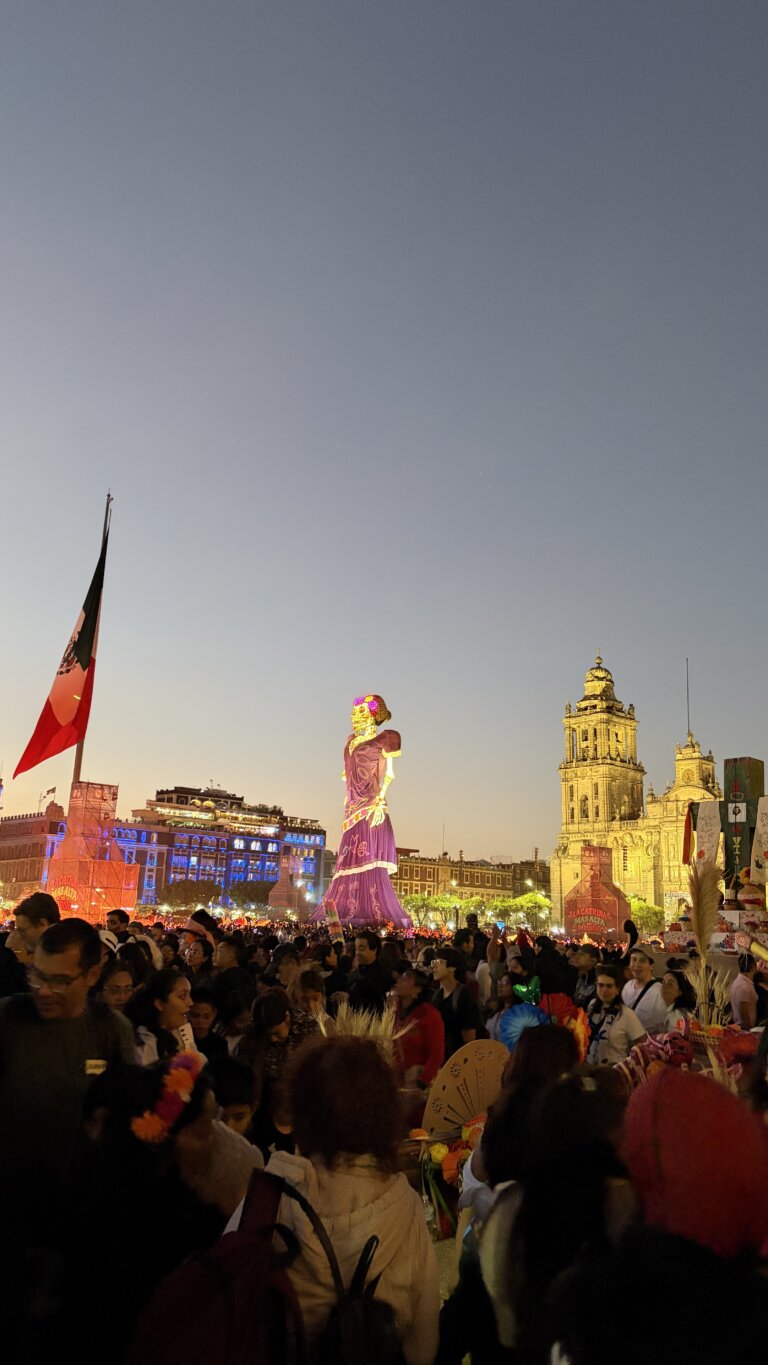
The monumental ofrenda in the Zócalo. A massive altar with a new theme each year (2026: a 32-meter Catrina inspired by Posada), plus a marigold field and free concerts, usually from late October to November 2. Go in the morning for space, then again at night to see it lit.
The Desfile de Alebrijes Monumentales. The Museo de Arte Popular parades giant, psychedelic fantasy creatures from the Zócalo to Reforma, usually on a mid-October Saturday. They stay on display along Reforma for weeks, so you can still catch them.
The UNAM Megaofrenda. Dozens of altars, each built by a faculty, free and open October 31 to November 2, 11 am–9 pm. In 2026 it was at the Explanada del Museo Universum in Ciudad Universitaria (Metro Line 3 to Universidad, then the Pumabús, or Metrobús Line 1 to Centro Cultural Universitario). The location shifts some years.
Casa Fuerte del Indio Fernández (Zaragoza 51, Coyoacán). The film director's house hosts a huge ofrenda every year. In 2026: 40+ altars through November 15, about 200 MXN. Check their socials for hours.
Mixquic. The village in Tláhuac where the tradition lives in its original form. Families clean and decorate graves, welcoming children's souls on October 31 and adults on November 1. On the night of November 2, La Alumbrada begins around 7 pm: the lights go out and the cemetery glows by candlelight alone. Go November 1 or 2, arrive early, bring cash and a jacket. Metro Line 12 to Tláhuac, then a bus. Stay quiet, don't step on graves, ask before any photo.
Do
- Dress in layers. Nights get cold.
- Use public transport and leave early on parade days.
- Carry cash for pan de muerto, tamales and atole.
- Ask before photographing families or altars.
Don't
- Treat it like a costume party. Catrina face paint is welcome; just remember this is about remembering the dead.
- Drive to Mixquic on the night of November 2.
- Wait until October to book your hotel.
Día de Muertos, the gay way
Festival season is also party season. The city's gay bars and clubs throw themed nights around October 31 and the weekends on either side. Check our events calendar for what's on, and use the Gay Mexico City Guide to find where locals have dinner and drinks before heading out.
Mexico City Pride
The Marcha del Orgullo LGBT+ has taken over Mexico City since 1979, always on the last Saturday of June. It's one of the biggest Pride marches in Latin America, and the march itself is just the midpoint of a week-long party.
The official week starts the Monday before, and things heat up from Wednesday: parties, shows, panels and pop-ups across Roma, Condesa and the Centro. If your dates are flexible, land midweek, not Friday.
How locals actually do Pride Saturday
- Late morning
Forget the starting line. Locals stake out a spot on Reforma just past Insurgentes and watch the parade with their crew.
- Afternoon
Day drinking. Officially not allowed, universally practiced. Bring friends and a cooler bag if you want to blend in.
- Late afternoon
Go home, shower, nap. The night is long.
- Night
A Pride party. This is the part visitors always underestimate.
- The Zócalo closing show
Almost no locals stay. Don't build your day around it.
The parties
The big ones get announced around late April, all require advance tickets, and all sell out.
Every club throws its own Pride night too, and every one will be packed. Our advice: go to a party, skip the clubs. You get a real production, a crowd that showed up on purpose and a night you can actually plan.
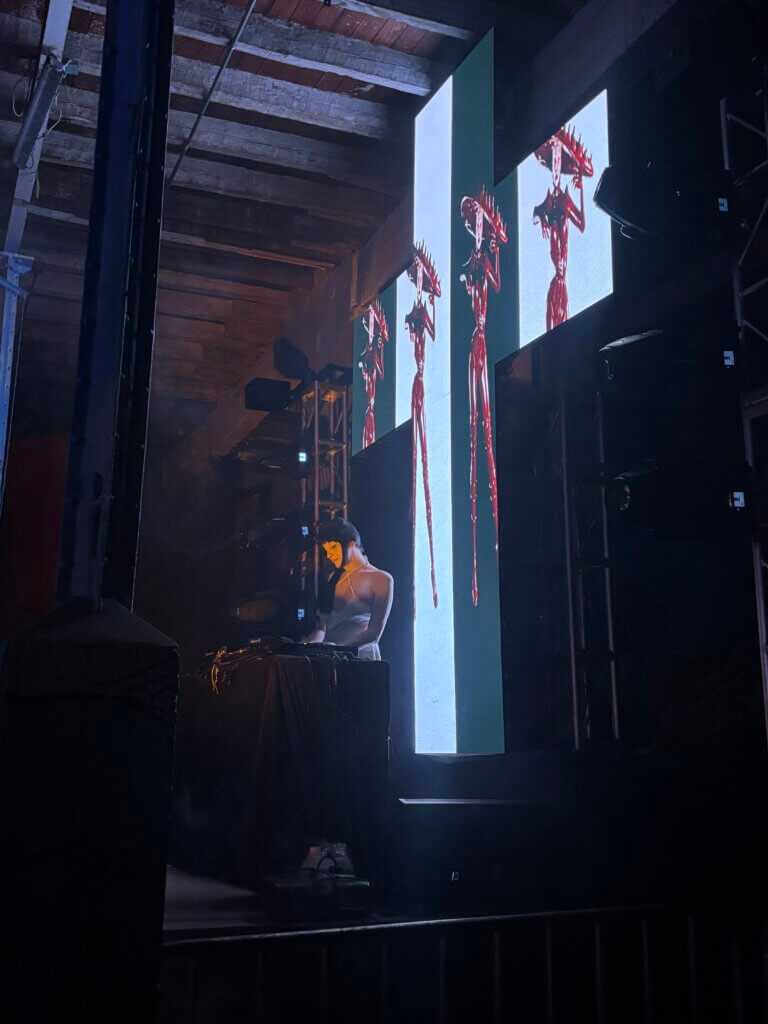
The four everyone waits for:
Plan it like a local
- Check street closures a few days before. The route is usually the same; 2026 was the exception, rerouted around the World Cup Fan Fest at the Zócalo.
- Buy party tickets the moment they drop, and book your hotel even earlier.
- Take the Metro or Metrobús, and plan your ride home: Uber prices go feral around Reforma.
- Bring water, sunscreen and small bills.
Dates and lineups change every year, so confirm with official announcements before you book.
Keep reading: Mexico City Pride (blog post) · Events calendar · Gay bars in Mexico City
The gay scene in Mexico City
Picture your best gay friend landing here for the first time and texting you: "ok, where do I go?" This is our answer. It's not the one the generic gay guides give.
Mistake number one: thinking Mexico City has one gay neighborhood. It's a megacity, and its queerness is scattered across the whole map. Mistake number two: settling for the standard gay night out, when the best of this city is what only exists here, and that takes a little more digging.
Only three nights? Go here
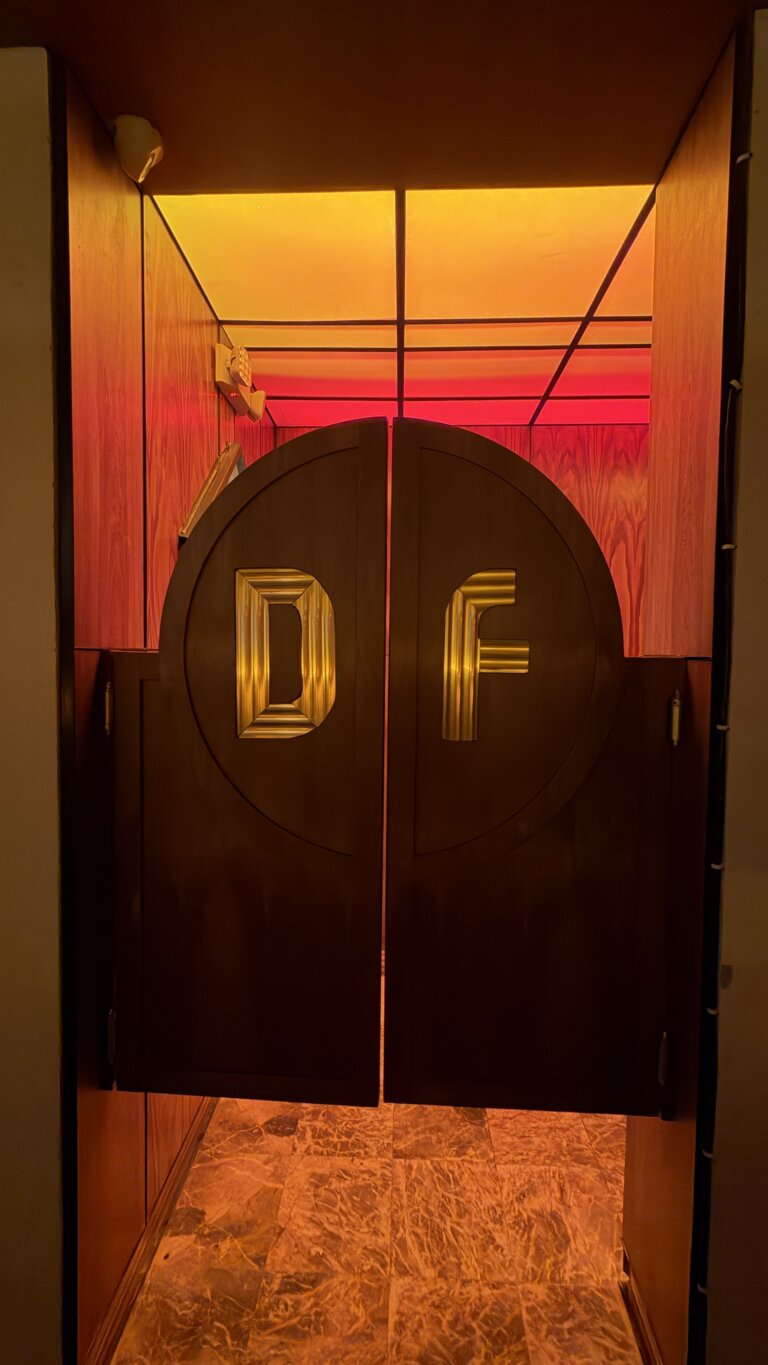
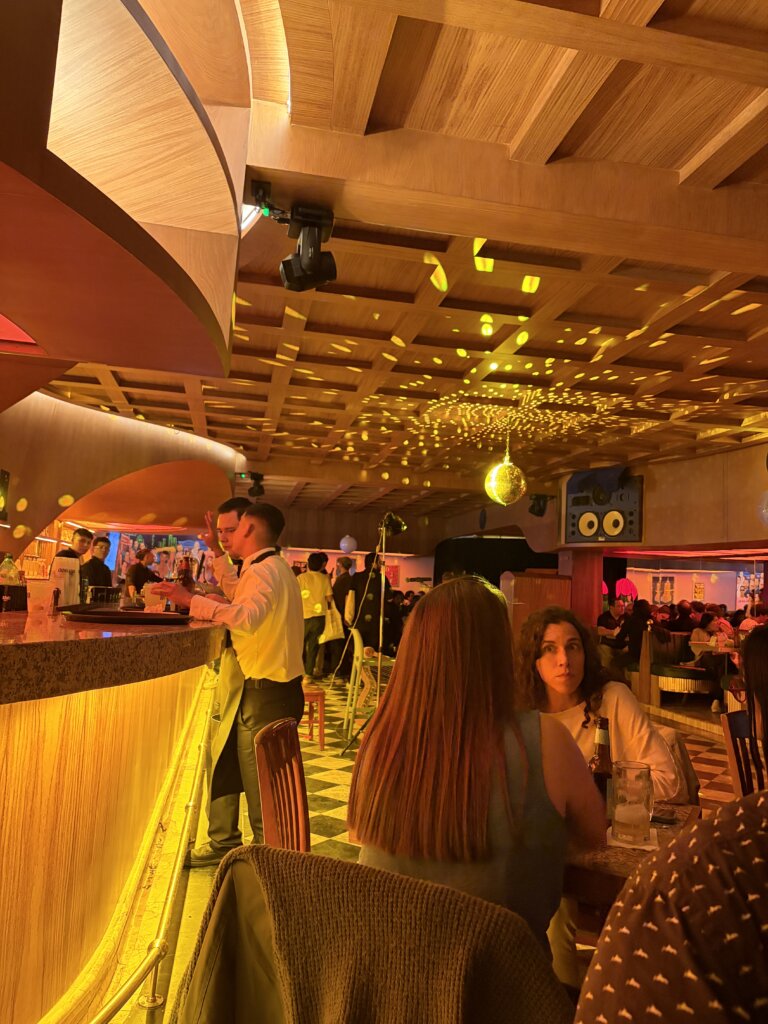
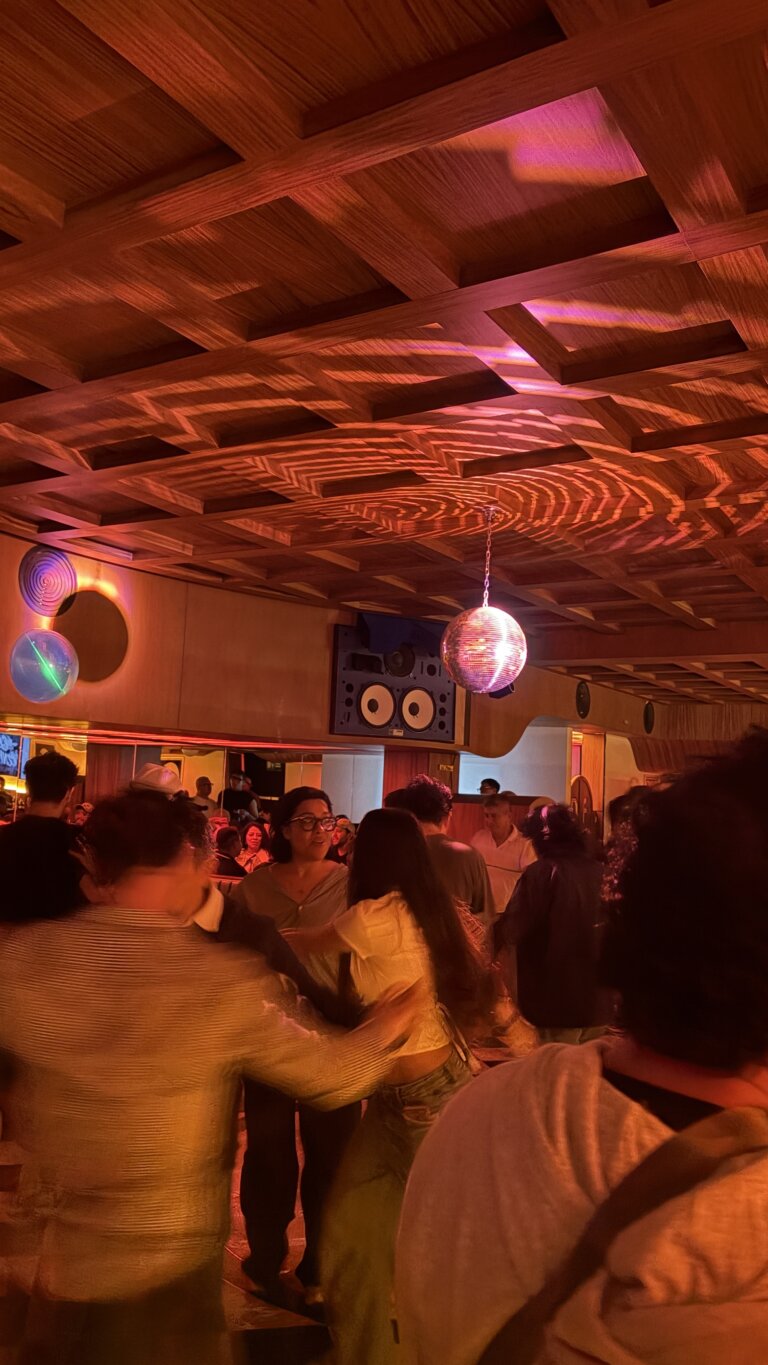
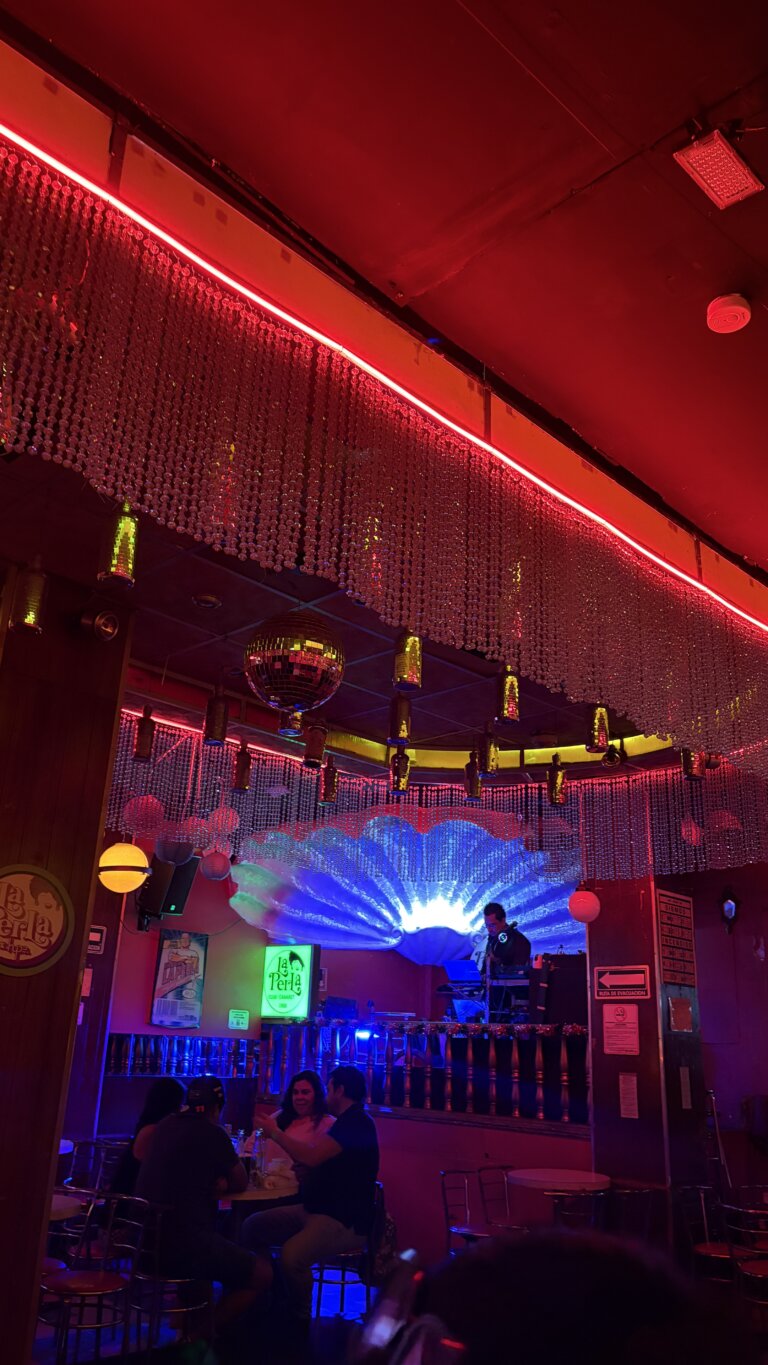
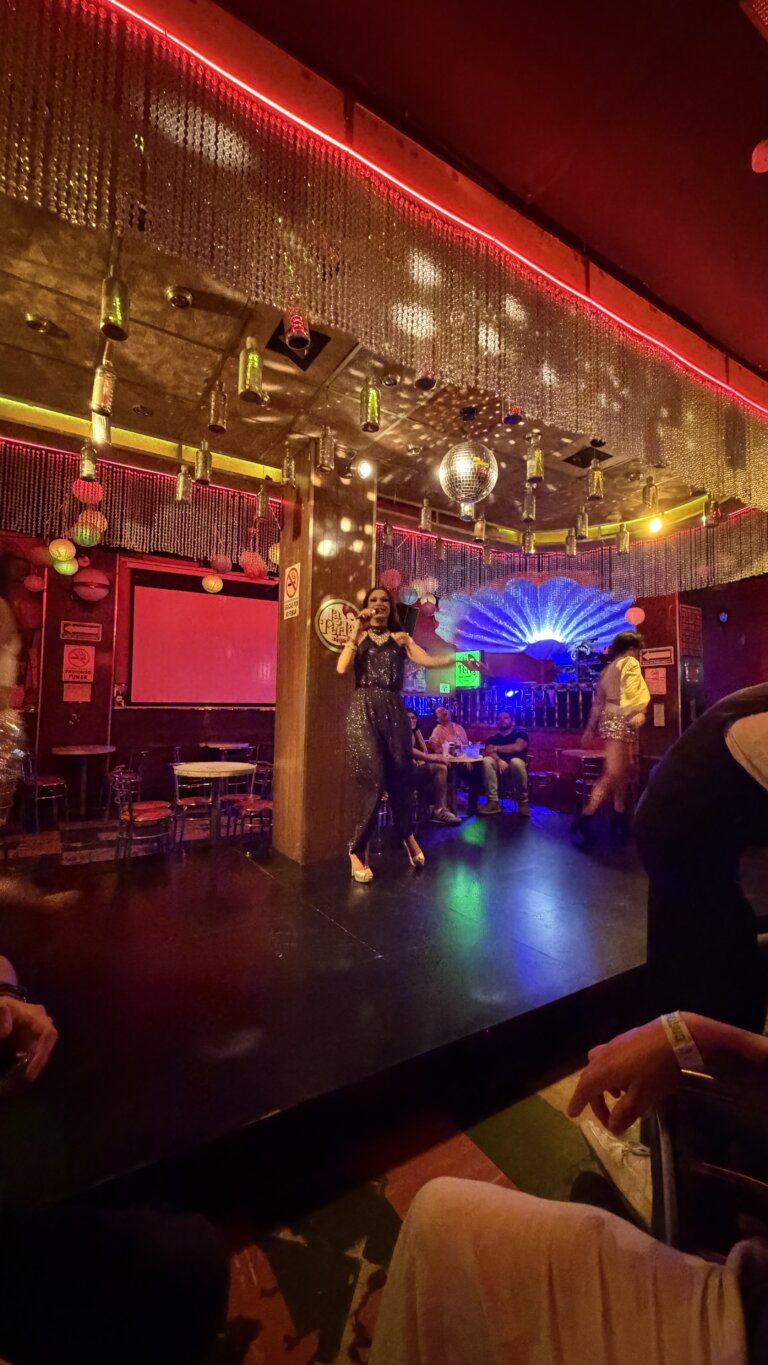
A classic Mexican cantina, beautifully redesigned by queers for queers, with fonda-style food included with your drink. Non-negotiable.
Mixed, irreverent and real. Nobody's posing.
Leather and kink focus, mixed crowd. Tuesdays are the night.
Start in the Centro Histórico
The Centro is the most authentically gay side of Mexico City. Bar-hop down República de Cuba and make Cantina Distrito Federal your first stop.
Swipe for more →
Zona Rosa: go with a plan, not to wander
Zona Rosa isn't a stroll. It's a neighborhood you visit for specific places (here's why gay locals stopped partying there):
- Nichos Bear Bar when your trip needs a bear night.
- Dallas for a cruising club.
- Rico, Blow Bar or Kinky for the classics.
- Abrazarnos and Penthouse, betting on design and experience in a zone that forgot about both for years.
What makes this scene different
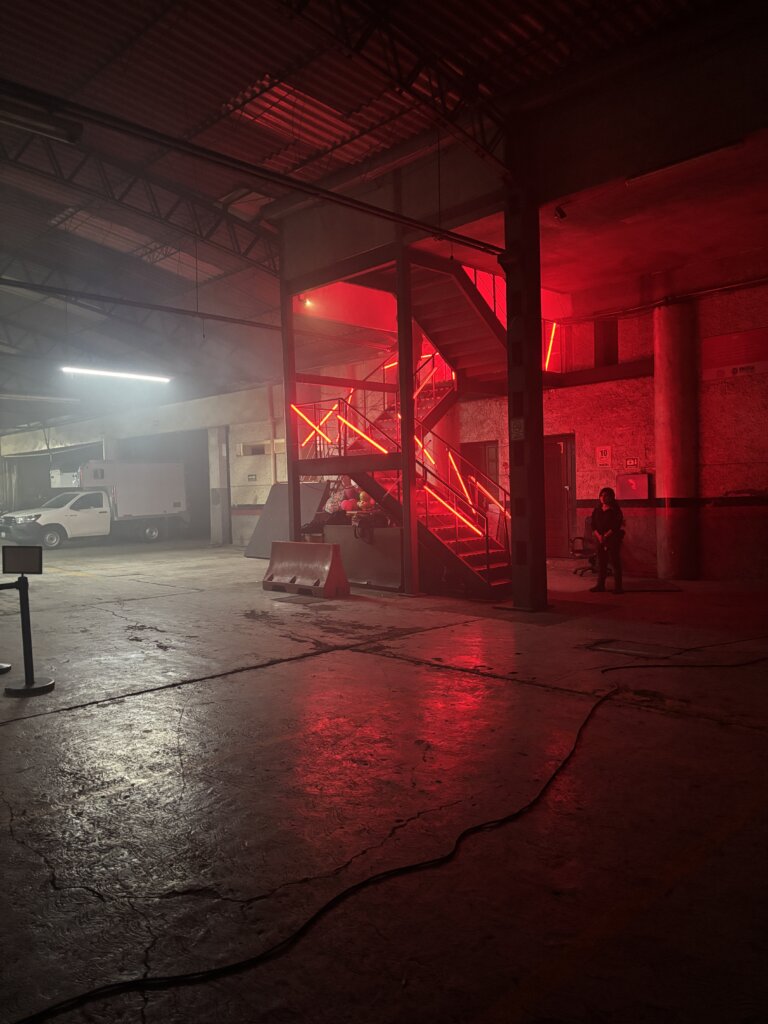
The crowds are mixed, irreverent and real. Nobody's posing. You'll feel it at Revuelta, Cantina Distrito Federal, El Espártacus and Los Finisterre.
Get out of Roma and Condesa
They're great, and they're where most visitors stop. Go further: Juárez, San Rafael, Cuauhtémoc and Narvarte are all low-key, very cool and running on their own energy.
Keep reading: Gay bars in Mexico City · Gay clubs in Mexico City · Mexico City Pride · Events calendar
Why pay for a guide when Google and AI are free?
Because they tell you what's popular, not what's good.
Search results and AI summaries recycle the same handful of places every gay blog already lists, with the same beige descriptions. They can't tell you which one is worth your night. What the room feels like when you walk in. Who actually goes. And they will never send you to the places locals don't post about.
The Gay Mexico City Guide is built the other way around.
Every spot is one we'd send a friend to, including the ones nobody talks about.
We tell you why each place made the cut, so you know where you'll feel at home before you leave your hotel.
Nobody pays to get in. A place is there because it earned it.
270+ places on your phone, one tap away, wherever you are in this enormous city.
No walking 40 minutes to a bar that closed last year.
Gay dating and hookup apps in Mexico City
Three apps cover almost everything here. The rest are ghost towns.
Number one by a mile. Download it before you land.
A solid second.
More popular here than you'd expect.
Plus two niche picks: Bateworld is big with the bator community, and Bumble is the one we'd add if you're after something more serious. Anything else you've heard of is rare here, so don't count on it.
Like any big city, meet somewhere public first, tell a friend where you're going, and share your location when you head to someone's place or hotel.
Beyond the apps
Apps are only one way in. For where it happens in person, read our blog post on gay cruising in Mexico City.
Want every secret spot?
The Gay Mexico City Guide includes 25+ cruising spots recommended by locals, inside 270+ places across 13 Google Maps lists. Kept current, so you never show up to a place that closed last year.
Is Mexico City safe for gay travelers?
Much safer than the headlines suggest.
For LGBTQ+ travelers, it's a city you can live in normally. If the news has kept you away, come see the real thing. Use the same street smarts you'd use in any big city and you'll be fine.
What about the cartels?
Organized crime exists in Mexico. What US media and movies show is an inflated version that sometimes drifts into fiction. That violence is concentrated in specific regions, far from Mexico City and from anywhere on this page. The US State Department's "do not travel" list names a handful of other states, not the capital, which sits at Level 2, "exercise increased caution," the same level as plenty of popular destinations. Check the current advisory (and the UK FCDO, Canadian or German equivalent) before you book.
Being LGBTQ+ here
Aggression over public affection is very unlikely. Some older people might stare a beat too long when you hold hands, and that's usually as far as it goes. The city also runs offices specifically for LGBTQ+ people and for tourists (listed below).
Area by area
Our local read after years of going out here, not an official ranking. "Risk" means street crime like theft, not violence.
| Area | Daytime | At night |
|---|---|---|
| Zona Rosa, Juárez | Low | Walk busy streets, ride home |
| Roma, Condesa | Low | Walk busy streets, ride home |
| Polanco, Reforma | Low | Walk busy stretches, ride home |
| Narvarte, Cuauhtémoc, San Rafael, Del Valle | Low | Ride |
| Coyoacán | Low | Ride after dark |
| Centro Histórico | Low | Ride after dark |
| Around the Zócalo, La Lagunilla, Santa María la Ribera, Doctores | Medium | Ride, or skip |
| Tepito | Medium | Skip at night |
| Ecatepec, Iztapalapa, outer suburbs | Higher | Skip |
A word on Tepito: we do recommend it. It's part of the real city. Just go by day, and ideally with someone who knows the neighborhood.
The real risks
- Pickpockets, mostly in the Centro and on public transport. Phone in a front pocket or zipped bag, never face-up on a street-side café table.
- Busy clubs: watch your drink and your stuff, like anywhere.
- One great venue, one caveat: Rico Club in Zona Rosa has some of the best drag in the city. It's also the only place where we've had repeated reports of security problems, mostly involving the venue's own staff. Go for the show, go with friends, keep your belongings close, watch your drinks and your tab, and leave if anything feels off.
- Getting home at night: in the low-risk areas, walk the busy streets or take public transport. Everywhere else, Uber or DiDi.
Who to call
- LGBTQ+ support: Unidad de Atención a la Diversidad Sexual (UNADIS), city government, Fernando de Alva Ixtlilxóchitl 185, 1st floor, colonia Tránsito. Anti-discrimination council COPRED: General Prim 10, colonia Centro.
- Tourist assistance: the tourist-specialized Ministerio Público (Fiscalía General de Justicia), Calle Amberes 54, Zona Rosa, in the same building as the Consejo Ciudadano para la Seguridad y Justicia.
Practical tips for your Mexico City trip
The stuff we repeat every single week to people writing before their trip. Read it once and skip most first-timer mistakes.
Money: bring pesos
Cards work in hotels, chains, supermarkets and nicer restaurants. Street food, markets, small bars, taxis, tips and guides still run on cash. Carry pesos in small bills and coins. Nobody loves breaking a 500 for a 60-peso taco.
- Use ATMs inside banks or malls, in daylight. Withdraw in pesos and decline the machine's "convert to your currency" offer. It's a worse rate.
- Card terminal asks pesos or your currency? Always pesos.
- A "$" on a price tag means pesos.
- Carry what you need for the day. The rest stays in the hotel safe.
This is not Puerto Vallarta
The most common mistake we see: assuming Mexico is hot everywhere, always. At 2,240 meters, nights are cool all year and cold from December to February. Bring layers and a light jacket, even in spring, plus sun protection for the day.
Altitude and stomach
The altitude gets most people for a day or two: mild fatigue, a headache, thirst. Take day one slow, drink lots of water, and grab "electrolitos" at any OXXO or 7-Eleven. Alcohol hits faster up here. Don't drink tap water; bottled or filtered only. For street food, follow the line: a busy stall is a good stall.
Staying connected
Get an eSIM before you land, or a Telcel SIM at OXXO, Walmart or Soriana if your phone is unlocked. WhatsApp is how Mexico does business: restaurants, tours and hosts confirm there. Uber is the most reliable ride at night, DiDi the backup. Plugs are the same as the US and Canada (types A and B); UK and EU travelers, bring an adapter.
Going out: dress the part
Mexico City dresses up more than you'd think. Think good shirt and clean sneakers, not flip-flops. Add a small crossbody bag that zips and a portable charger.
The mistakes we see constantly
- Never leaving Roma and Condesa. Juárez, the Centro, San Rafael, Narvarte and Coyoacán hold a lot of the best places.
- Not bringing pesos. You'll need more cash than you think.
- Assuming it's always hot. Pack layers.
- Trusting recycled guides. Most blogs copy each other: same ten places, no local knowledge, often out of date. That's exactly why we built our own.
270+ places recommended by locals, always updated.
Get the Guide →Gay Mexico City travel FAQ
Is Mexico City gay friendly?
Very. It has one of the biggest scenes in the Americas, and public affection rarely draws more than a long look from an older passerby. Use normal big-city sense and you'll be fine.
Are there gay hotels in Mexico City?
No dedicated ones, but the gays have favorites: the Sofitel if you're splurging, the Ibis Styles Zona Rosa if you're not. Misterb&b also lists gay-friendly stays.
What's the best area to stay?
We won't say "it depends." For a first visit: Colonia Juárez.
When is the best time to visit?
March to early May for weather. Late October to early November for Day of the Dead. The last week of June for Pride.
Which airport should I fly into?
AICM for almost all international flights, including from the US, Canada, the UK and Germany. AIFA only if your airline sends you there, and then take the train.
Do I need a visa?
Not if you hold a US, Canadian, UK or EU passport and you're visiting as a tourist. Immigration decides how many days you get, up to 180. Check your government's travel advice before you fly.
Which dating app should I use?
Grindr first, Scruff second, The Blowers third.
Is street food safe?
Follow the line. A busy stall turns food over fast and has locals vouching for it. If your stomach is sensitive, ease in over a couple of days.
Can I drink the tap water?
No, anywhere in Mexico. Bottled or filtered only. Restaurant ice and water are filtered.
How much should I budget per day, excluding accommodation?
About 30 USD a day if you're tight, around 50 USD for comfortable but not luxe.
Do people tip?
Yes. 10–15% in restaurants, bars and for guides. Check the bill first in case it's included.