
Mexico City is a sprawling metropolis where the vibe, the urban tribes, and even the scenery shift dramatically depending on which neighborhood you wander into. Whether it's your first time here or your tenth, wrapping your head around the sheer size of this city — and all the ways it can be explored — is genuinely a lot. This guide covers five of the city's most relevant areas for gay travelers: what they look like, what to eat and drink, and — most importantly — what each one actually has for the gays. By the end of this, you'll know exactly where you want to be.
Is Mexico City Gay Friendly?
Absolutely. Mexico City was the first major Latin American city to legalize same-sex marriage, back in 2010, and it has been a beacon for LGBTQ+ rights in the region ever since. This is a city where queer folks hold hands and kiss in public without a second thought — and even where that does occasionally earn an older passerby's side-eye, they're learning. From government policy to local civil organizations, the city is on your side.
What that means practically for gay travelers: you can be yourself here, in any of the areas covered in this guide, without hesitation. Common-sense city safety still applies — stick to well-lit areas at night, use ride-share apps, watch your belongings in crowds — but Mexico City is as welcoming as it gets for a Latin American capital of this scale.
Is Mexico City Worth It for Gay Visitors?
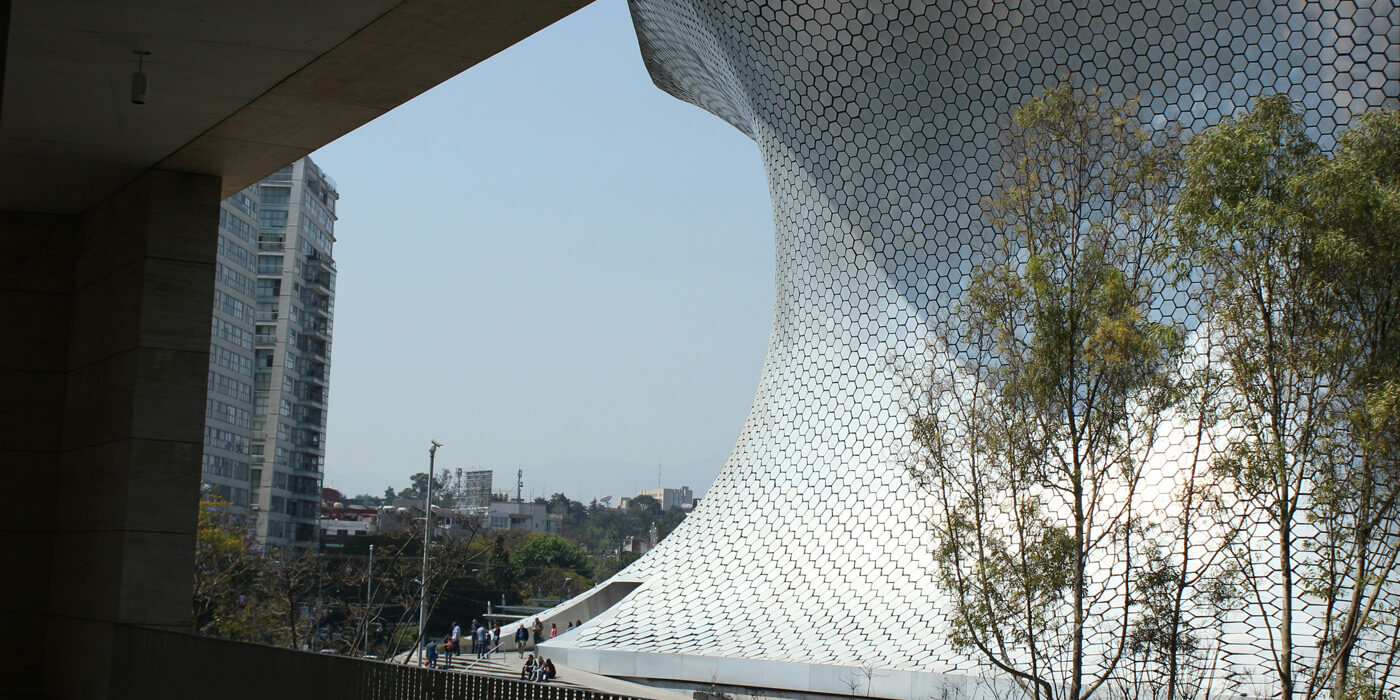
Yes, and not in a hedged, diplomatic way. Mexico City is where the gays come to live it up. Puerto Vallarta might be the answer for sun and sand, but for pure urban sophistication — world-class dining, a nightlife scene that competes with any European gay capital, and a cultural density that takes years to fully digest — CDMX is the place to be.
Ask any local: Mexico City is the gay capital of the country. Each neighborhood has carved out its own queer niche. La Roma has the hip, neighborhood-bar scene. La Condesa is polished and social. El Centro has the grittier, rawer gay edge. Polanco is where you go for the upscale experience. And Zona Rosa — the traditional gay district — is the anchor that still holds a crowd.
"Mexico City's gay scene could give Europe's capitals a run for their money — but it does it with a CDMX energy that you genuinely cannot replicate anywhere else."
The Gay Mexico City Guide
Every area in this guide, mapped and ready to use on your phone.
- ✓ 180+ vetted gay bars, clubs, saunas & venues
- ✓ 12 Google Maps lists organized by neighborhood
- ✓ Weekly Nightlife Itinerary — where to go every night
- ✓ Pay what you want — sliding scale pricing
Downtown Mexico City
El Centro — where history, chaos, and the city's edgiest gay scene collide.
El Centro is the geographic and historic heart of Mexico City. It is the kind of place where you can spend a full day and still feel like you've only scratched the surface — where surreal gay bars sit between sixteenth-century buildings, street vendors sell artisan crafts and cheap jockstraps in the same breath, and the energy is permanently, productively chaotic. If you're visiting Mexico City for the first time, El Centro is a non-negotiable stop.
And if you're here on a Sunday, don't miss the Mercado de La Lagunilla — the weekly flea market where fashionistas, design lovers, food enthusiasts, and michelada devotees converge in search of the best vintage and collectible pieces in the city. Bring cash, arrive early, and don't expect to leave empty-handed.
Landmarks & Attractions
The Centro Histórico is anchored by the Zócalo, one of the largest city squares in the world — the very soul of Mexico City. A short walk away is the Museo del Templo Mayor, set partially within the excavated ruins of an ancient Aztec temple. For architecture lovers, El Gran Hotel de la Ciudad de México — with its Tiffany stained-glass ceiling and vintage elevators — is a must; the rooftop bar has one of the best views of the Zócalo. And then there's Plaza Garibaldi, where mariachi music and tequila flow freely, though the area gets sketchy after dark — keep your wits about you.
Where to Eat & Drink
A Traditional Breakfast Table
El Cardenal is the classic choice — fresh-baked pastries, hot chocolate skimmed at your table, and hearty Mexican countryside dishes. The original on Palma Street, inside a French-style building, is the one to visit.
The Best Mezcal Bar in the City
Tucked behind a silver curtain, Bósforo is a hidden gem with an underground vibe, an impressive mezcal selection, pre-Hispanic snacks, and tribal techno beats. It will be a highlight of your trip regardless of how much you care about mezcal when you walk in.
Spanish-Mexican Fusion
Hostería La Bota is a pub-cult favorite serving Spanish dishes with a Mexican twist. Grilled octopus, good tapas, kitschy decor — and a terrace on bohemian Regina Street that's perfect for a cold beer in the afternoon.
What Downtown Has for the Gays
Gay Bar Hopping on República de Cuba
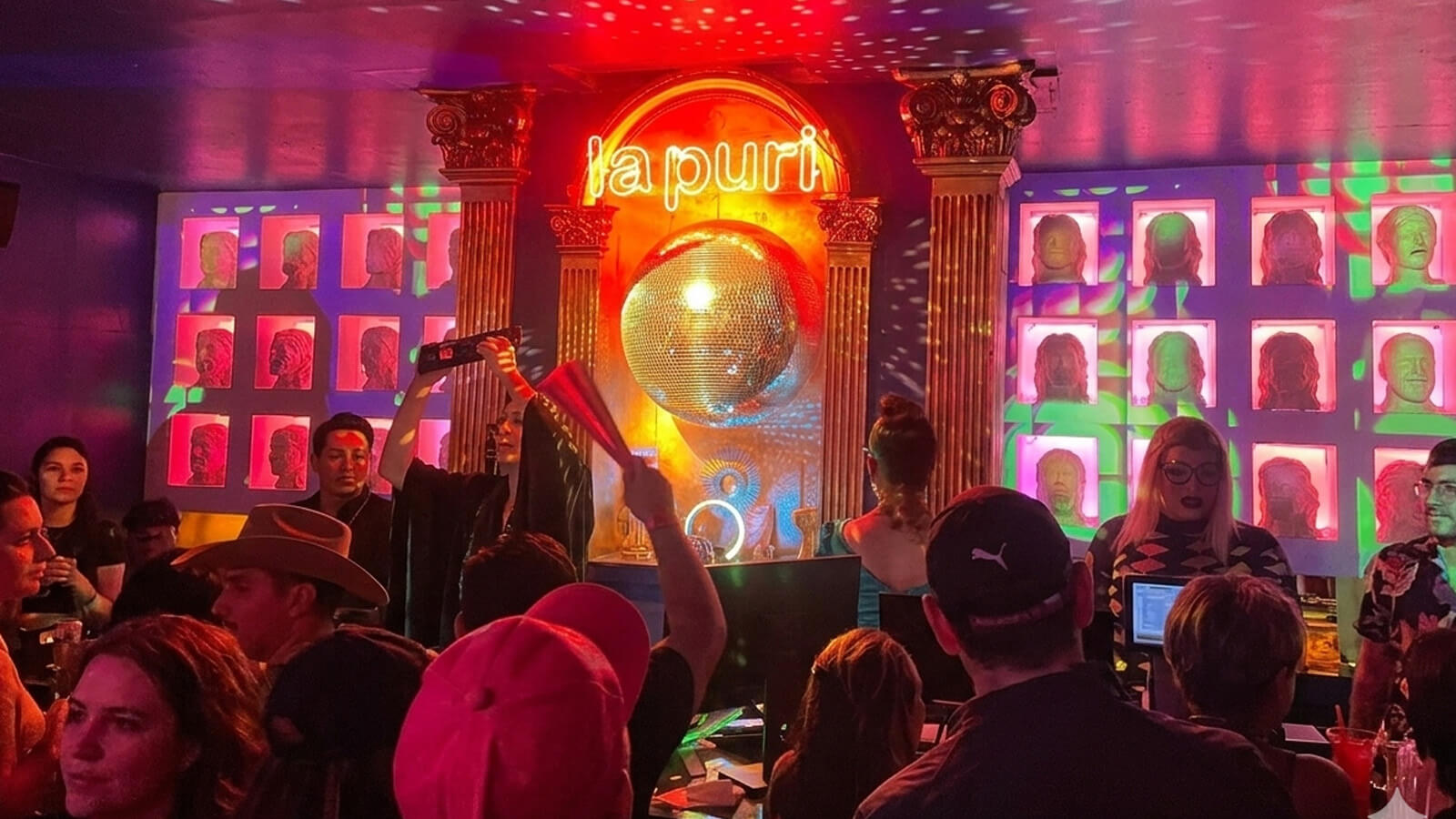
Since 2010, República de Cuba Street has been home to some of the most unique gay clubs in the city — not posh venues, but raw, authentic, distinctly Mexican spaces. Soberbia is a quirky gay parody of Mexico's most famous department store. El Marra is the original gay club outside Zona Rosa. La Puri is irreverent with a sacrilegious theme. El Buen Tiempo is your 80s, 90s, and 00s hits spot. Whether you're gay or not, this street is a must-visit.
Gay Cruising and XXX Clubs
For those exploring the edgier side of El Centro: Sexto Piso is the hottest gay cruising club in the city, with stunning views, themed areas, and plenty of playful men. Cine Savoy is an adult cinema frequented by curious men. Cabinas Funny has a darkroom and live sex shows on selected nights. And Verge — the newest cruising club inside Sex Shop Erótica — offers two porn cinemas, a drinks bar, and a dark labyrinth that operates daily.
La Condesa
Leafy, polished, and buzzing — the neighborhood where Mexico City goes to see and be seen.
La Condesa is where the city's cool kids hang out. Art deco architecture around Parque México, leafy streets lined with cafés and restaurants, a slightly more polished vibe than its neighbor La Roma — but still laidback enough to feel like a neighborhood and not a performance. Whether you're wandering the vintage shops along Circuito Amsterdam, people-watching at Parque México, or arriving at brunch twenty minutes late, Condesa is all about enjoying the finer things at a leisurely pace.
Landmarks & Attractions
Parque México is the emerald gem of La Condesa — a lush, art deco-framed park that draws runners, dog owners, skaters, and a genuinely international crowd. Grab a bench and listen to the mix of languages around you: Spanish, English, French, German, Italian, Portuguese. The surrounding Circuito Amsterdam is a circular boulevard lined with vintage shops, chic boutiques, and the city's best jogging route for anyone who wants to see the neighborhood in motion.
Where to Eat & Drink
The Legendary Breakfast
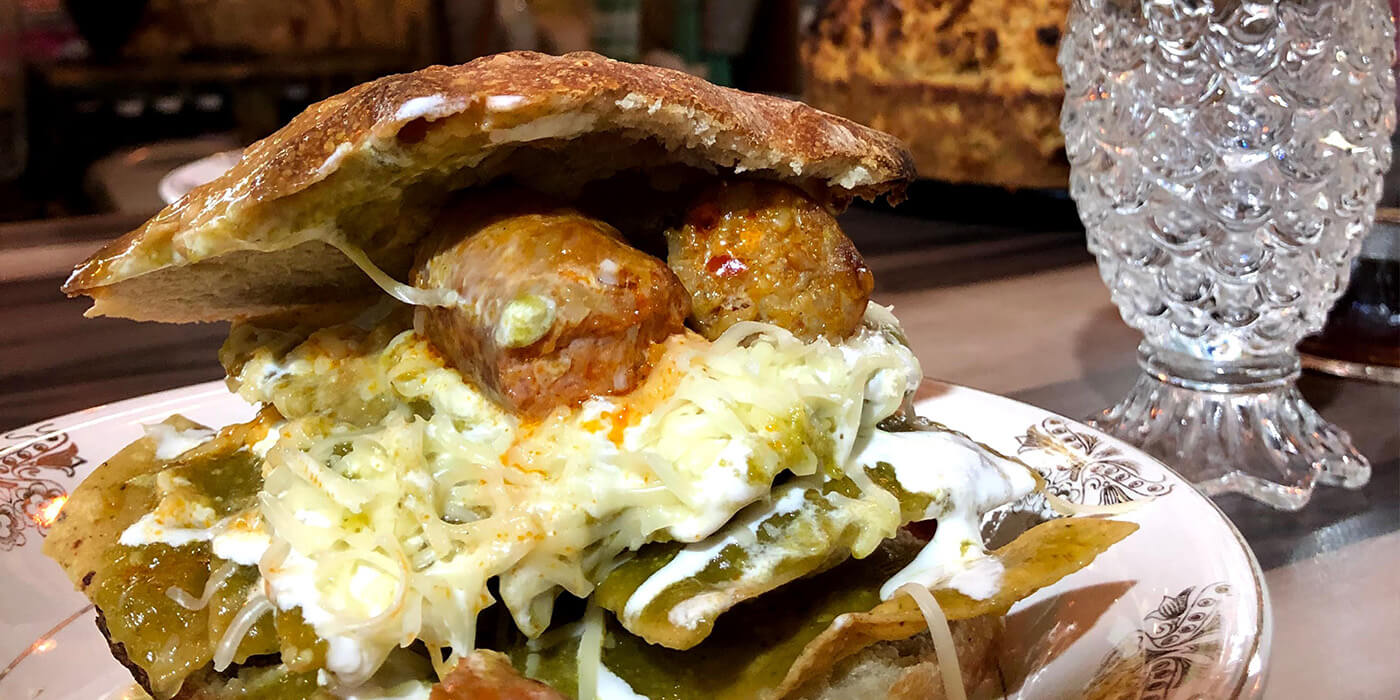
The Torta de Chilaquiles from the corner of Alfonso Reyes and Tamaulipas is the definitive Chilango breakfast — a roll stuffed with chilaquiles and your choice of protein. The line gets long. It is always worth the wait.
Coffee and Productivity
Blend Station, Malcriado, and Quentin are the holy trinity of Condesa coffee — top-notch brews and spaces designed for actual work, not just posing.
Modern Mexican Dining
La Capital is where it's at for value: signature canteen cuisine designed for sharing, beautiful setting, prices that won't make you wince. For bubbles and live music, La Xampa is the legendary Condesa bar that specializes in sparkling wine and tapas — fun guaranteed.
What Condesa Has for the Gays
Tom's Leather Bar
Condesa is home to one of Mexico City's most iconic gay bars: Tom's Leather Bar. Men only, set inside a space that feels like a Sistine Chapel dedicated to male beauty — ceilings adorned with images of naked male bodies, a darkroom that attracts a diverse and kinky crowd, strip shows during intermissions, and a playlist of gay anthems that will keep the floor moving. Tom's knows how to put on a show.
Un Club Bonito
For those who prefer to dance the night away to something other than house and techno, Un Club Bonito is a top pick. Cute aesthetic, indie pop-heavy playlist, a sound system that keeps you grooving all night. The venue also hosts Una Disco Guapa, a sister club created by women aiming to break away from mainstream Latin sounds. Both clubs are about redefining the nightlife experience with their own particular vibe.
La Roma
The city's hipster and bohemian heartbeat — and where the best queer nightlife has quietly relocated.
La Roma is where creativity spills into the streets and every corner has its own story. Often called the coolest neighborhood in Mexico City, it hosts art exhibitions year-round, the city's quirkiest subcultures, and a mix of restaurants and bars that range from serious-chef-driven dining to hole-in-the-wall mezcal spots. La Roma is split into Roma Norte and Roma Sur, and together they form a magnetic hub that's hard to leave. Think of it as the younger, more adventurous sibling to Condesa — with a nightlife scene that is both more local and more diverse.
Landmarks & Attractions
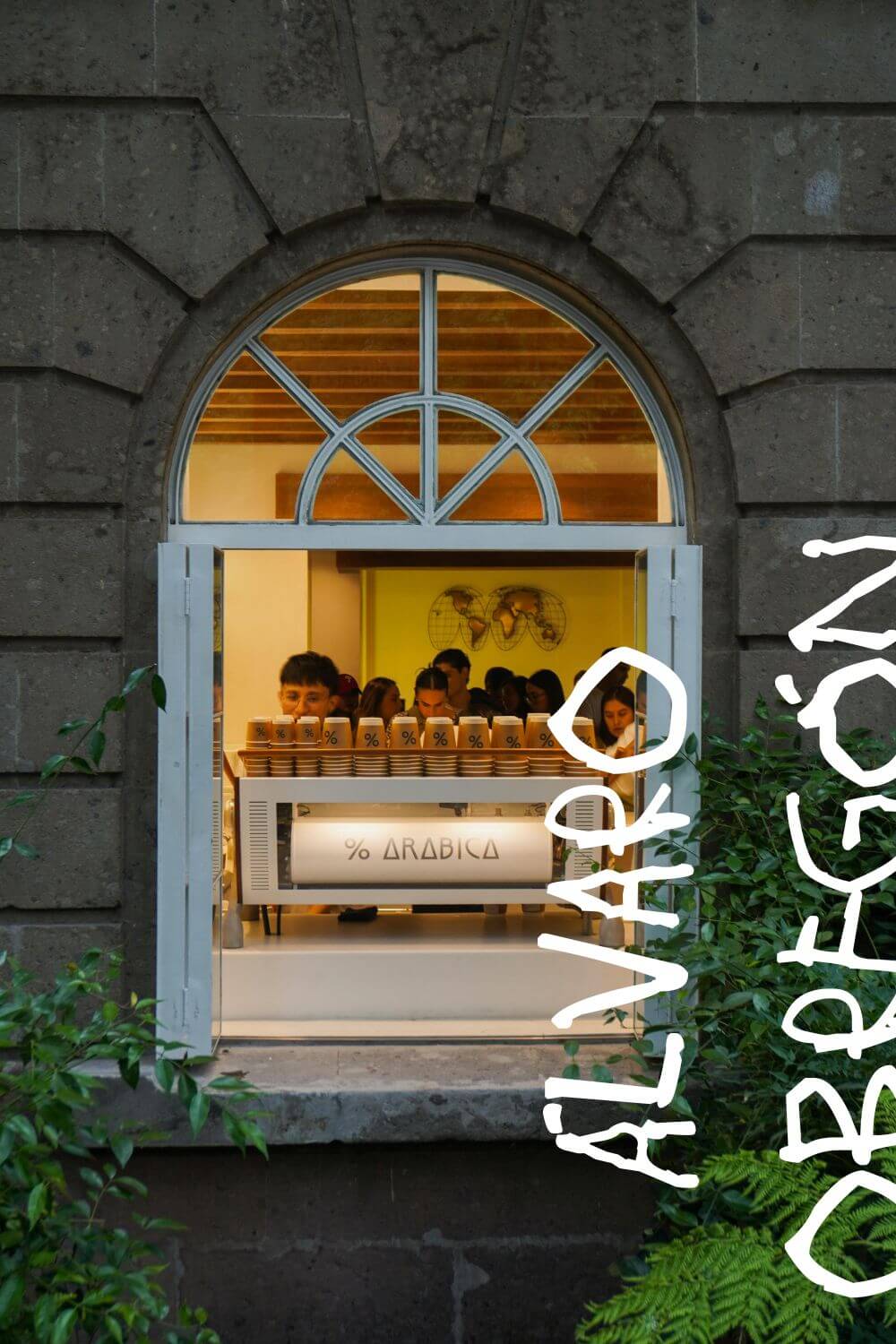
Álvaro Obregón Boulevard is the main artery of La Roma — lined with charming cafés, top restaurants, and the kind of people-watching that makes an hour disappear. Casa Lamm on this boulevard is both an art school and one of the most beautiful patio restaurants in the city. A few blocks away, Plaza Río de Janeiro is a visual feast: a spacious, tree-filled square centered around a full-scale replica of Michelangelo's David, surrounded by buildings in a beautiful mix of architectural styles.
Where to Eat & Drink
A No-Menu Restaurant
Expendio de Maíz is a must for any serious food traveler. No menu — the dishes change daily based on what's fresh at the market, always centered on corn. It's a unique dining experience where every visit is a different culinary adventure.
Craft Beer
Falling Piano is at the forefront of Mexico City's craft beer scene — a brewery and taproom in La Roma with a suspended piano as its centerpiece. Canned craft beers, laid-back vibe, local crowd.
Something Different
Cantón Mexicali is Chinese-American food honoring the Chinese immigrants of Baja California — a creative fusion of Mexican and Chinese flavors that evolves rather than sticks to tradition. Worth the curiosity.
What La Roma Has for the Gays
Revuelta Queer House
Revuelta is the trendiest queer spot in Roma — an incredible terrace bar that feels like a Mexican retreat rather than a city hotspot. Come for brunch with 2-for-1 Aperol Spritzes, a mixology menu, or their weekly queer cinema screenings, vinyl DJ nights, and art exhibitions. The programming is consistently good and the crowd is genuinely the city's queer creative scene.
One Building, Three Experiences
Right across from Falling Piano on Coahuila Street, one building hosts three distinct gay concepts from Thursday to Saturday, each running its own night:
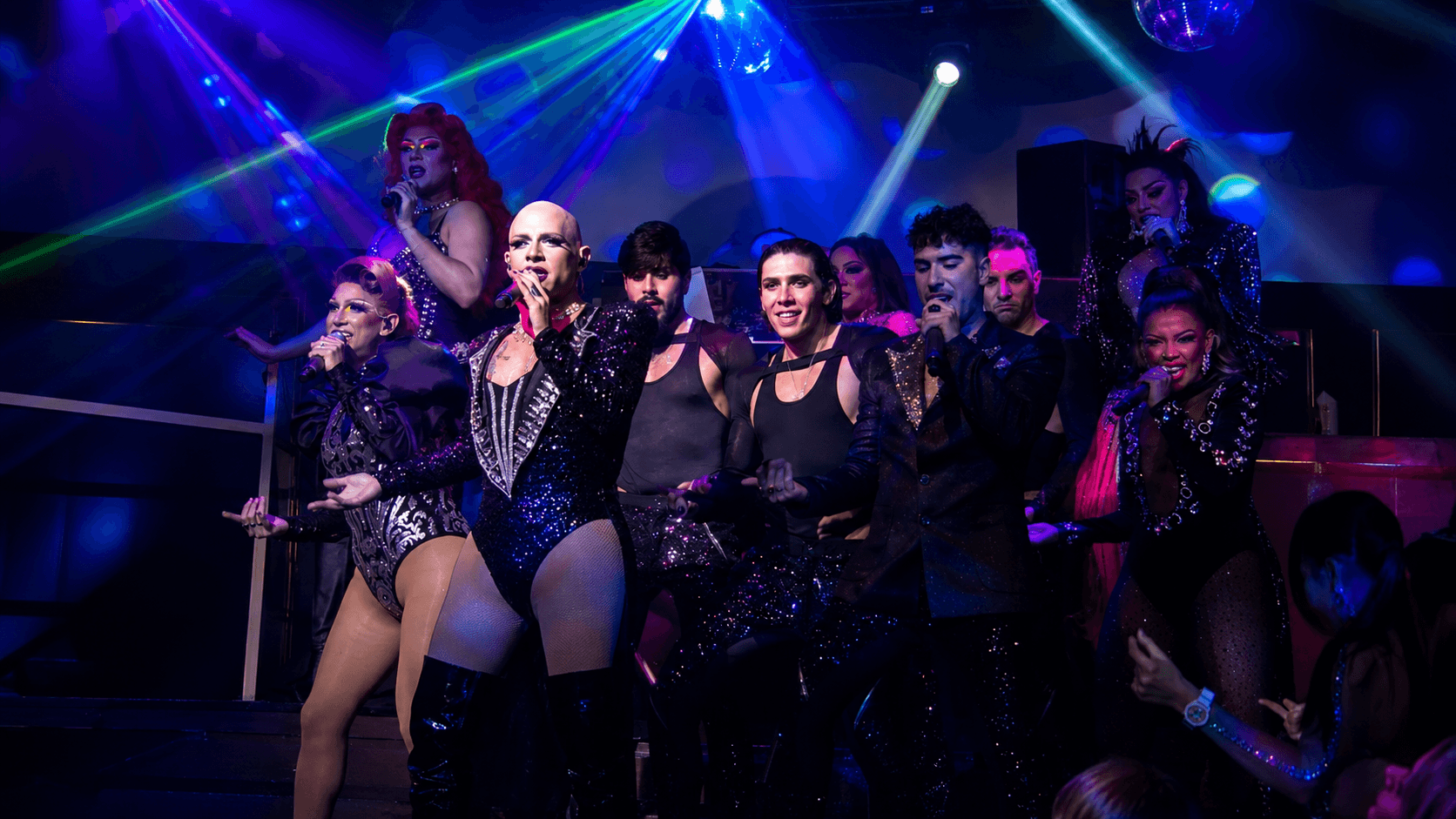
Dragaret is a staged drag cabaret with live music, performers, and dancers — when the show ends, the space turns into a dance club. Discoteca (Fridays) is all Disco Glam, with drag queens and queer spirits taking center stage in a glitter-and-glamour atmosphere. Guilt (Saturdays) is the fancy gay club that plays the hits and attracts a young, hot crowd looking to dance or perhaps meet someone.
Milk Gay Cruising Club
For those in the know, Milk is La Roma's best-kept secret — a cruising club that's a favorite among local gays for some seriously dirty, filthy fun. Their Saturday Mega Parties are legendary. If you want to explore the wilder side of the city, this is the place.
Polanco
Mexico City's crown jewel of sophistication — and the unlikely home of its most famous gay sauna.
Polanco is where high-end living meets cultural richness. Luxury boutiques on Avenida Presidente Masaryk, world-class museums, gourmet dining — this is Mexico City at its most polished. For gay travelers, Polanco is worth a visit even if the vibe skews upscale: the museums here are exceptional, the dining scene is serious, and tucked into this elegant neighborhood are two of the city's best LGBTQ+ experiences.
Landmarks & Attractions
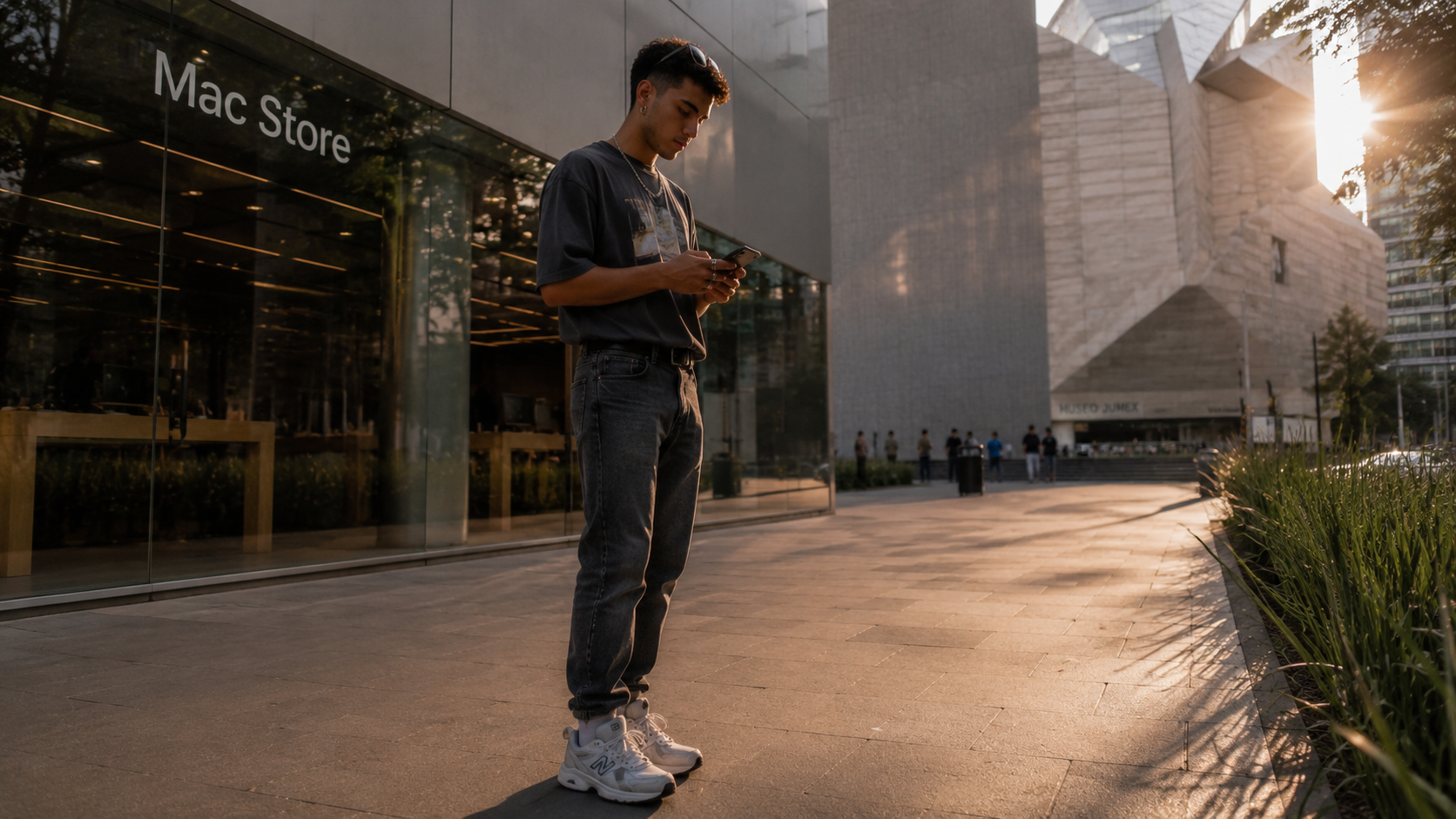
The Soumaya Museum holds the private art collection of billionaire Carlos Slim — Picasso, Renoir, Dalí, Van Gogh, and an array of notable Mexican artists. Next door, Museo Jumex is Mexico's answer to the MoMA. A short stroll away is the National Museum of Anthropology, the most visited museum in the country and a treasure trove of Mayan artifacts — a non-negotiable stop for anyone interested in Mexico's pre-colonial history. The Chapultepec Castle and Rufino Tamayo Contemporary Art Museum are also within easy walking distance.
For shopping, Avenida Presidente Masaryk is lined with top international brands. Antara Fashion Hall and El Palacio de Hierro Polanco cover the rest. Lincoln Park (Parque Del Reloj) and the surrounding Polanquito enclave are the social heart of the neighborhood — start with a cappuccino at Café Joselo and wander from there.
Where to Eat & Drink
Duck Tacos
Pato Manila is an Asian-inspired taquería that serves duck tacos unlike anything else in the city. Crispy spring rolls, tortas, wontons — and the most authentic taquería in Polanco, which is saying something given its surroundings.
One of the World's Best Bars
Limantour is ranked among "The World's 50 Best Bars" and the reputation is earned. The cocktail menu is a masterclass in creativity; the bartenders are top-tier. The prices are steep. It is worth it.
Haute Grill
CUERNO brings a new level of sophistication to Mexico City's dining scene — regional dishes, bold and delicious, in a dimly lit smart setting. The right choice for an indulgent dinner with a serious drinks menu to match.
What Polanco Has for the Gays
SODOME — Gay Sauna
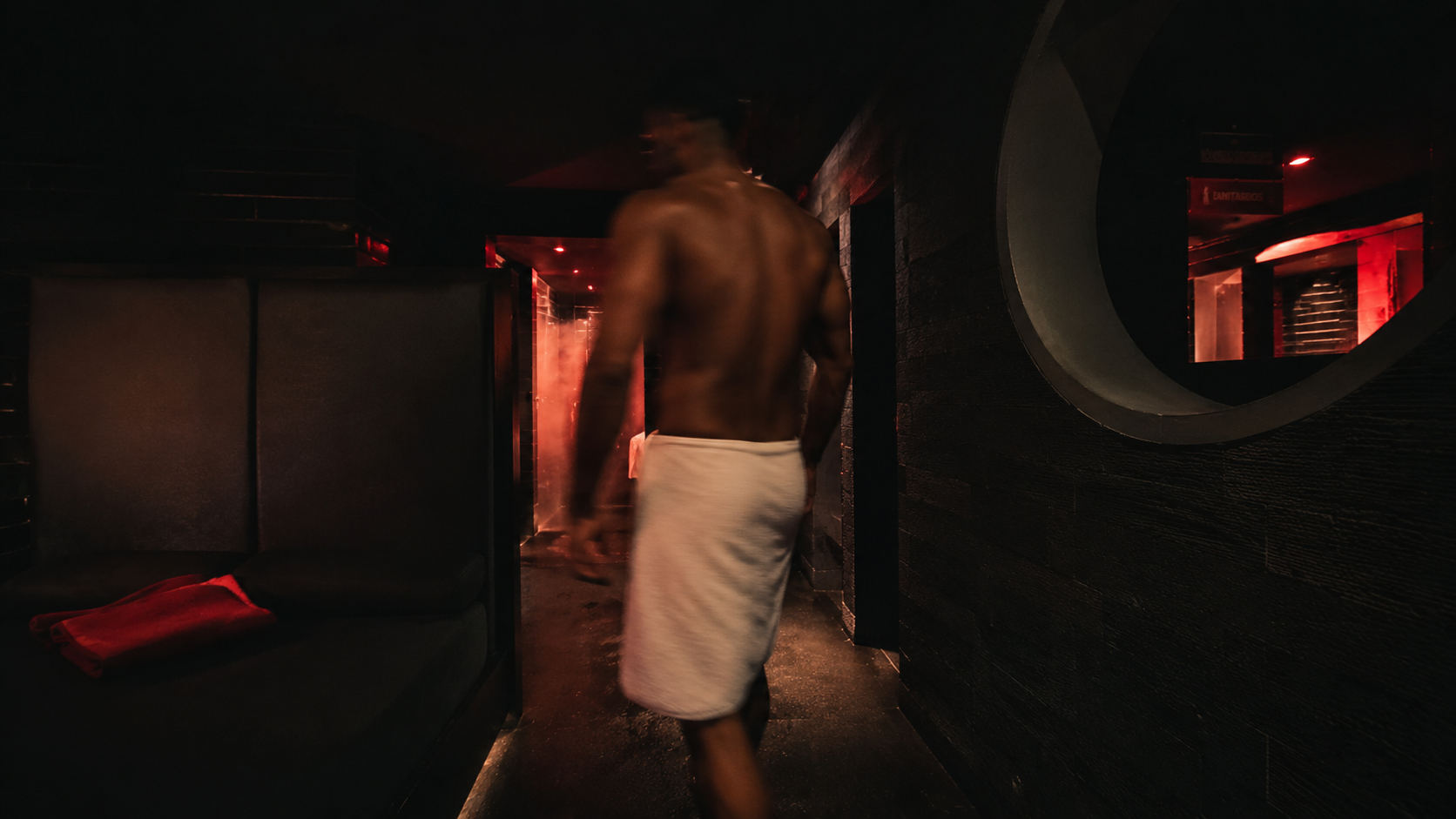
Polanco is home to one of Mexico City's most famous gay saunas: SODOME. Known for top-notch facilities and a particularly handsome crowd, this is where you'll find some of the best of Mexico City's gay cruising scene. A must-visit for anyone in that headspace.
Coyoacán & The South
The city's slowest exhale — cobblestone streets, Frida Kahlo, and a gay secret hidden in a university forest.
Venturing south feels like stepping into a different city. Coyoacán, the crown jewel of Mexico City's southern neighborhoods, exudes a laid-back, almost rural vibe that's a refreshing departure from the intensity of Roma or Downtown. Cobblestone streets, colorful colonial architecture, a sense of community that feels more like a quaint Mexican village than a slice of a megalopolis. Life slows down here. Locals savor their coffee in the central square, artisans sell handmade crafts, and the whole atmosphere invites you to stop and actually take it in.
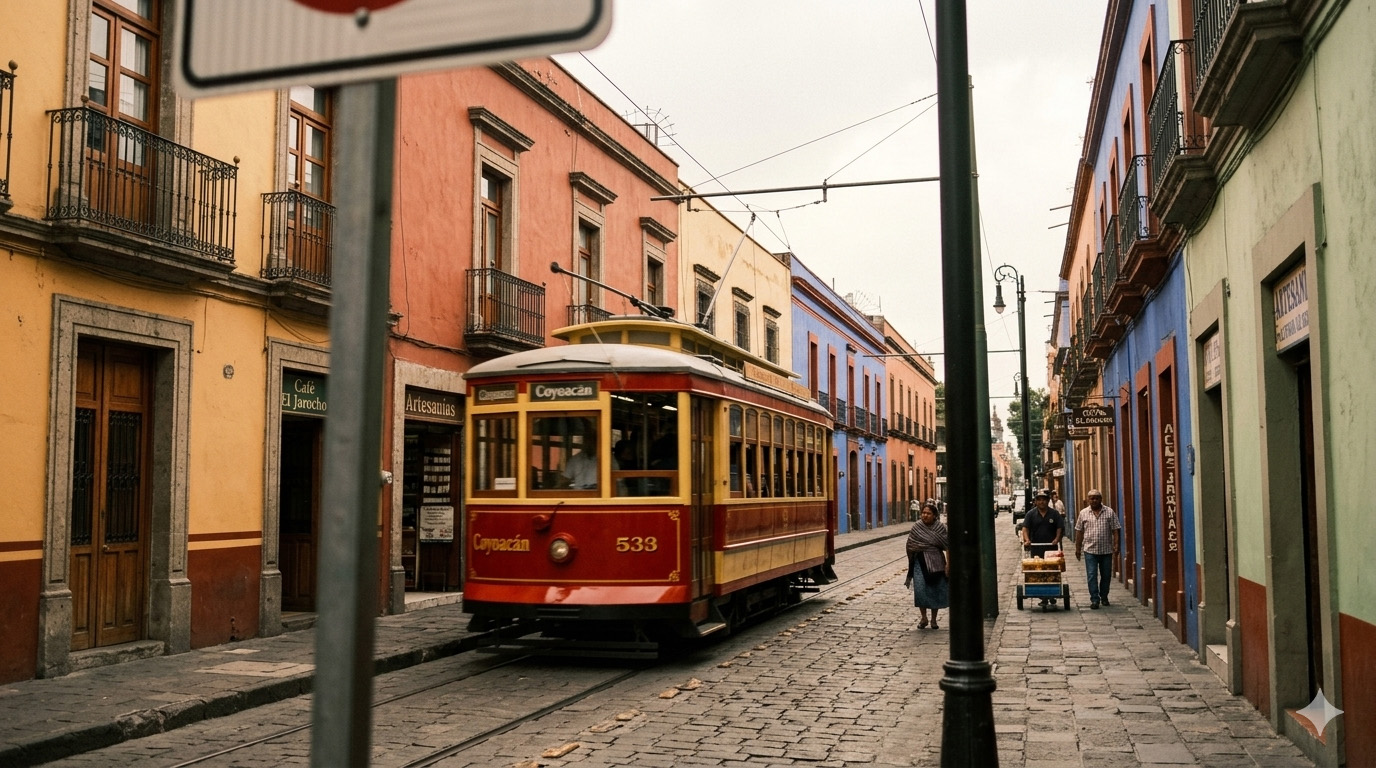
Landmarks & Attractions
The unmissable Casa Azul — the Blue House — is now the Museo Frida Kahlo, offering a glimpse into the lives of Frida and Diego Rivera through their art, personal belongings, letters, and photographs. But the real hidden gem is the Anahuacalli Museum, designed by Diego Rivera himself to house his private collection of over forty thousand pre-Hispanic artifacts. Intimate, awe-inspiring, and often less crowded than the Anthropology Museum in Polanco.
La Cineteca Nacional (The National Cinematheque) is a cultural hub worth visiting even if you don't catch a film — its expansive complex, terrace, and multiple restaurants and bars are worth the trip alone. On weekends in spring and summer, open-air cinema screenings are free. The Mercado de Coyoacán is a feast for the senses and the best place in the neighborhood for souvenirs at honest prices.
Six Flags México — For the Thrill Seekers
Also located on the southern edge of the city, Six Flags México is the most visited theme park in Latin America and a full-day escape for anyone who loves roller coasters. With over 35 rides including SUPERMAN El Último Escape — one of the longest and fastest coasters in the region, with a drop of over 20 floors at 120 km/h — and the brand-new Speedway Stunt Coaster opening in 2026, the park keeps expanding. An unexpected but genuinely fun detour from the usual cultural itinerary.
Where to Eat & Drink
A Restaurant Built Over Volcanic Soil
Tetetlán — about 30 minutes from La Condesa — is built over volcanic rocks and gives off an otherworldly vibe. It is less restaurant, more experience. Don't leave without the coffee paired with a matcha concha, or the molletes with longaniza. A trek. Worth every minute.
The Best Coffee in the City
Avellaneda Café uses exclusively Mexican beans and is owned by Carlos, an internationally recognized barista. Try the pour-over or the "Juanito," a Mexican twist on the espresso tonic with juniper and tamarind. Linger.
What Coyoacán Has for the Gays
El Camino Verde — UNAM's Legendary Cruising Spot
Coyoacán and the southern areas don't have the dense gay scene you'll find in Roma or Zona Rosa — and that's the point. The vibe here is more laid-back and rustic. But for those in the know, there is a legendary gay cruising spot hidden in the wild green areas of Ciudad Universitaria (UNAM), the campus of the National Autonomous University of Mexico. Known as El Camino Verde, it's a favorite among young students and men from all walks of life. In our guide you'll find clear directions and the exact spot to find it — a local gay adventure that's genuinely worth experiencing.
Tips for Navigating Mexico City Areas
By now, you should have a solid feel for the character of each area and which one fits your trip. A few final things worth knowing:
If you're a night owl who wants to walk to your bars and clubs, La Roma or La Condesa are your bases. If luxury and museums are the priority, stay in Polanco. If you want to experience a completely different side of the city, dedicate a half-day to Coyoacán.
Another common mistake: assuming that Zona Rosa is the gay neighborhood of Mexico City. It used to be, and there are still legitimate options there — but Zona Rosa is not where gay locals actually go out. The scene has scattered and evolved. La Roma, La Condesa, El Centro's República de Cuba, and a growing number of spots across the city are where you'll find the real queer culture of CDMX today. Going to Zona Rosa and stopping there would mean missing most of it.
The most common mistake of all is spending your entire trip in one area. Mexico City's magic is in the contrast between neighborhoods — the shift from El Centro's historical intensity to Condesa's leafy polish to Roma's creative density is itself part of the experience. Give yourself at least a day in each of the main areas. You will leave with a much richer picture of what this city actually is.
"Don't put all your eggs in one basket. Dedicate at least a day to each major area. The contrast between them is part of what makes CDMX so endlessly fascinating."
And when you're ready to go deeper — to find the specific venues in each area that only locals know about, sorted by neighborhood and mapped for your phone — that's exactly what the guide is for.
The Gay Mexico City Guide
This guide showed you the areas. The Guide shows you what's inside them.
- ✓ 180+ gay bars, clubs, saunas, cruising spots & restaurants
- ✓ 12 Google Maps lists — one per neighborhood, ready on your phone
- ✓ Weekly Nightlife Itinerary — where to go every single night
- ✓ Sliding scale pricing — pay what feels right